Taste Authentic Flavors of Singapore with Passionate Local Guides
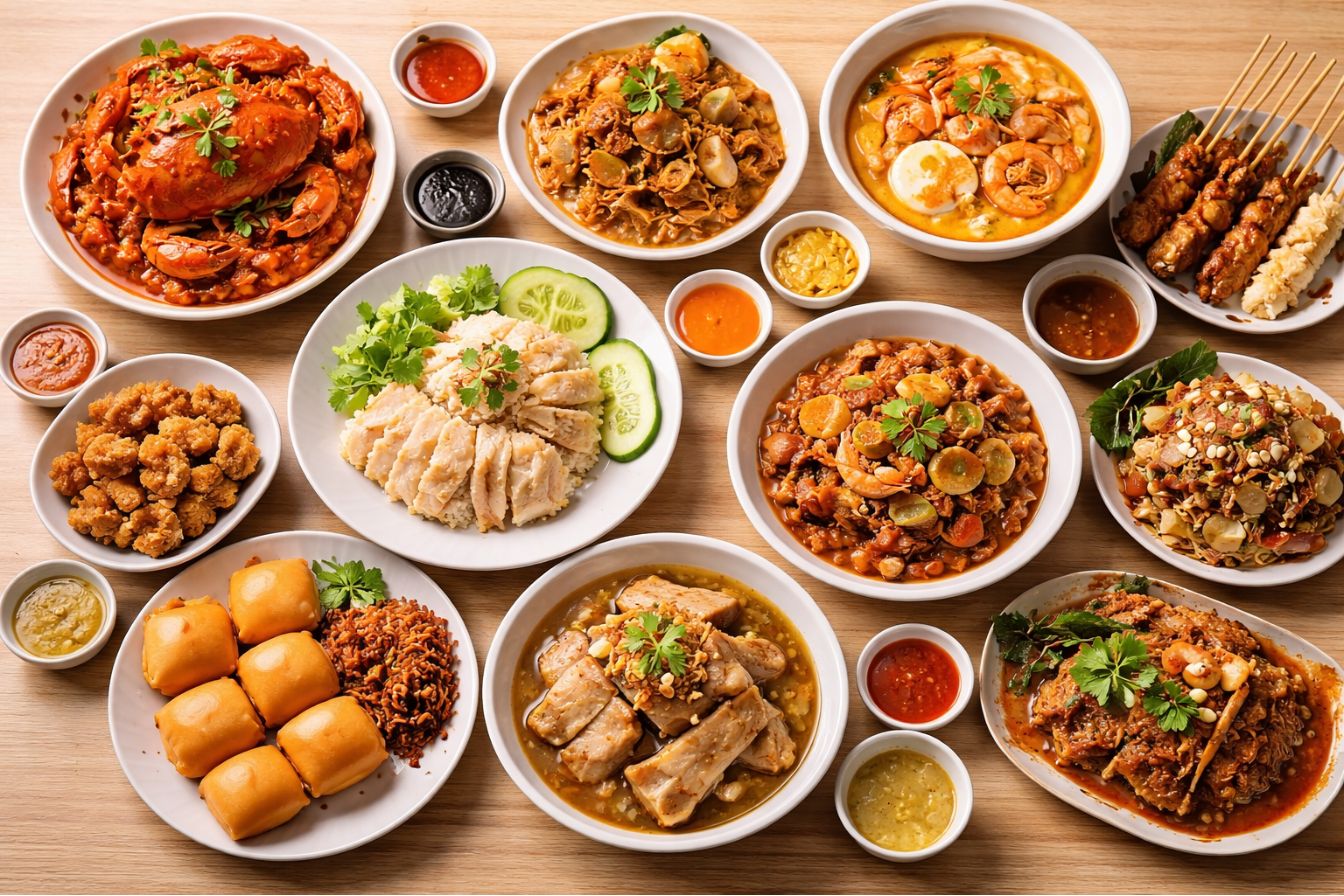
Book the best Singapore food tours in the heart of the Lion City. Explore iconic hawker centres like Maxwell, Lau Pa Sat and Chinatown, savor chili crab, Hainanese chicken rice, laksa, satay, roti prata and Michelin-starred street eats on small-group walking tours. Night food crawls, heritage trails and private options available daily. Secure your unforgettable Singapore food adventure today!
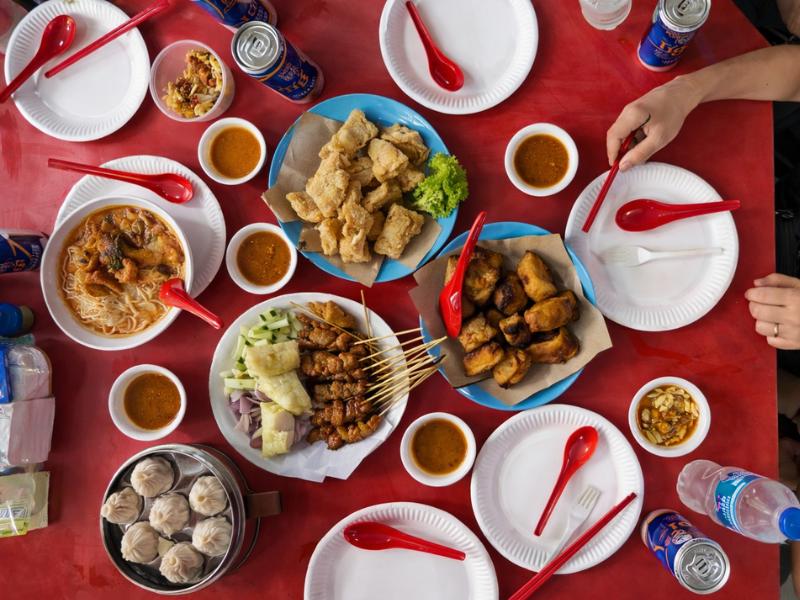
Our best-selling Singapore food tours dive into the city's legendary hawker centres and street eats with 8-12 tastings of chili crab, Hainanese chicken rice, laksa, satay, roti prata, and Michelin-starred hawker stalls.
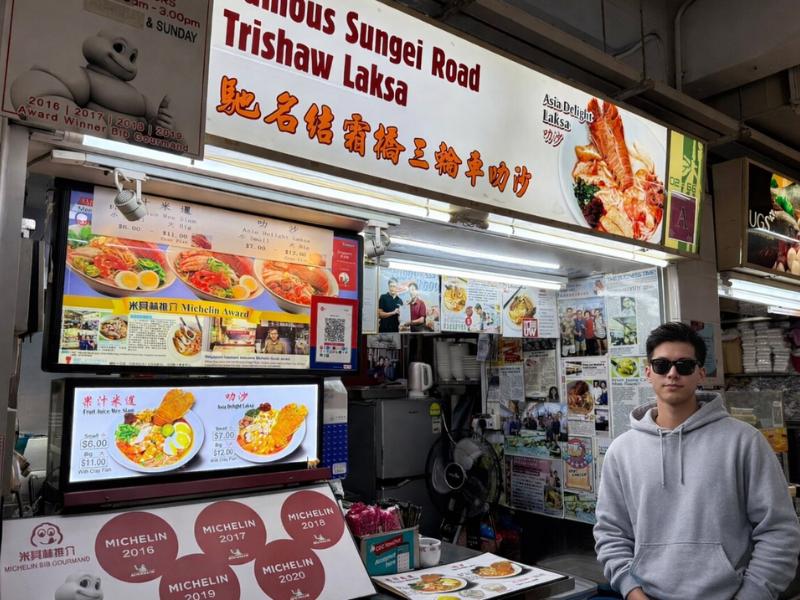
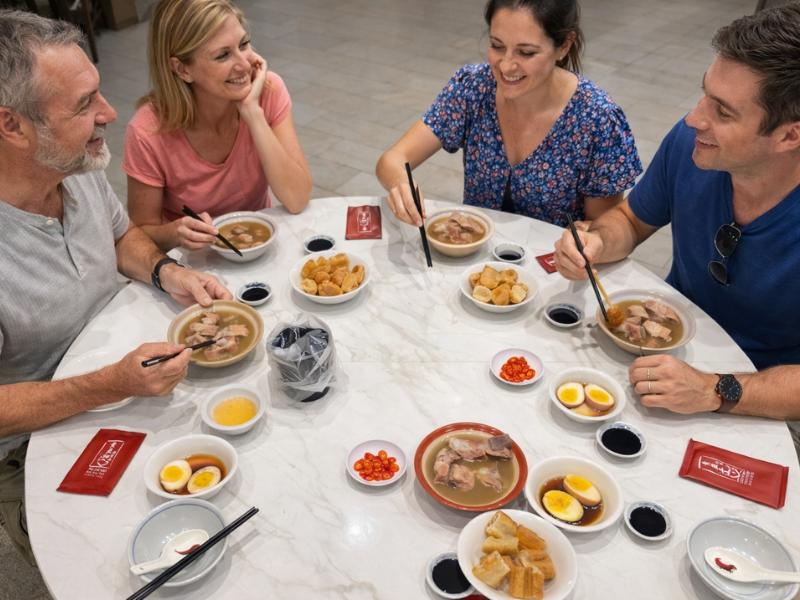
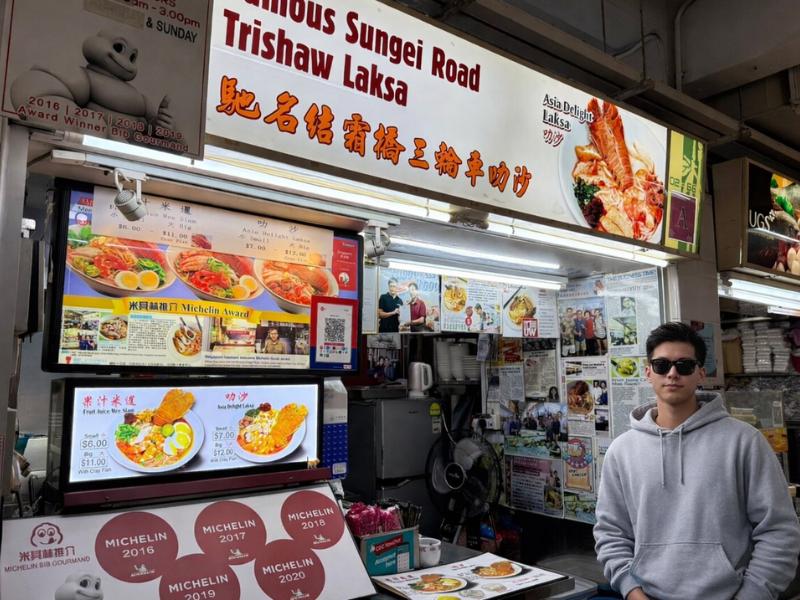
Singapore’s food scene bursts with flavors from every corner of Asia, and this small-group walking tour in Chinatown dives right in. Follow a local guide through vibrant streets to Michelin Guide-listed and Bib Gourmand hawker stalls for 9 tastings of iconic dishes. Sample everything from Michelin-worthy bites to classic local favorites. Hear exclusive stories about Singapore’s culinary heritage while enjoying a relaxed, personalized experience suitable for all ages and fitness levels.
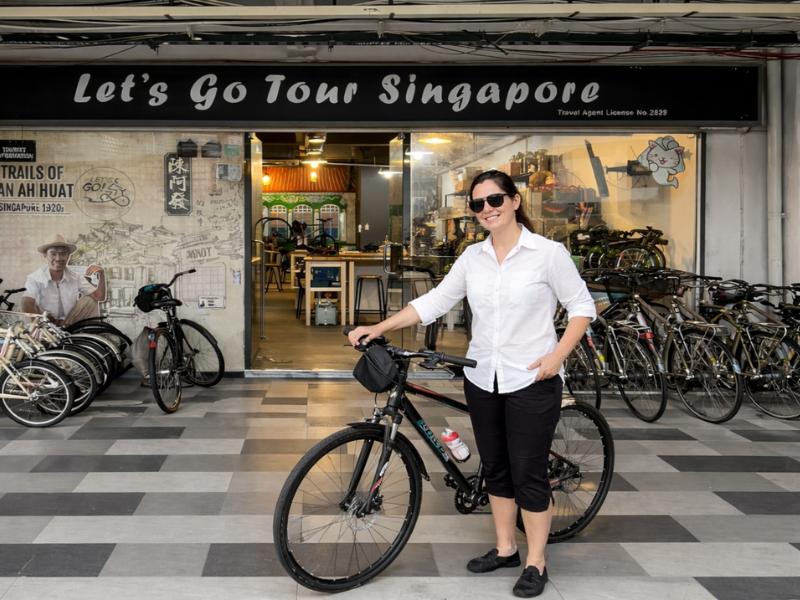
Singapore’s culture and cuisine blend perfectly on this guided bike tour – ideal for first-timers. Pedal through the city with ease, skipping parking hassles and covering more ground than walking. Your local guide shares insider knowledge, leading you to off-the-beaten-path spots and hidden food stalls for authentic delicacies.
Singapore’s multicultural heart shines on this small-group food and culture tour through Chinatown, Little India, and Kampong Glam. Led by a fourth-generation Singapore-Chinese-Peranakan host, taste authentic street food from UNESCO hawker centres, sip included drinks, and savor dishes reflecting Chinese, Indian, and Malay-Arabic influences.
Our Singapore street food tours hit legendary hawker centres like Maxwell, Chinatown Complex, and Lau Pa Sat for 8-12 tastings of chili crab, Hainanese chicken rice, laksa, satay, char kway teow, and Michelin-starred hawker stalls.
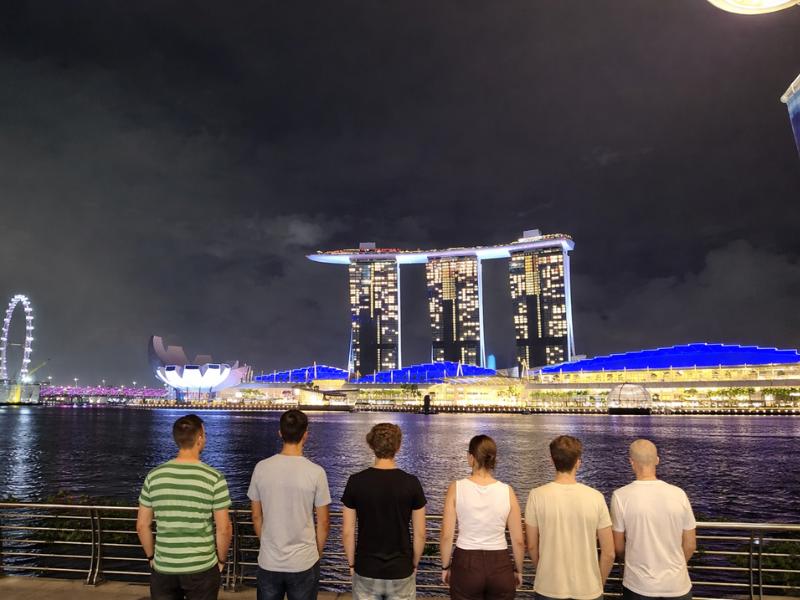
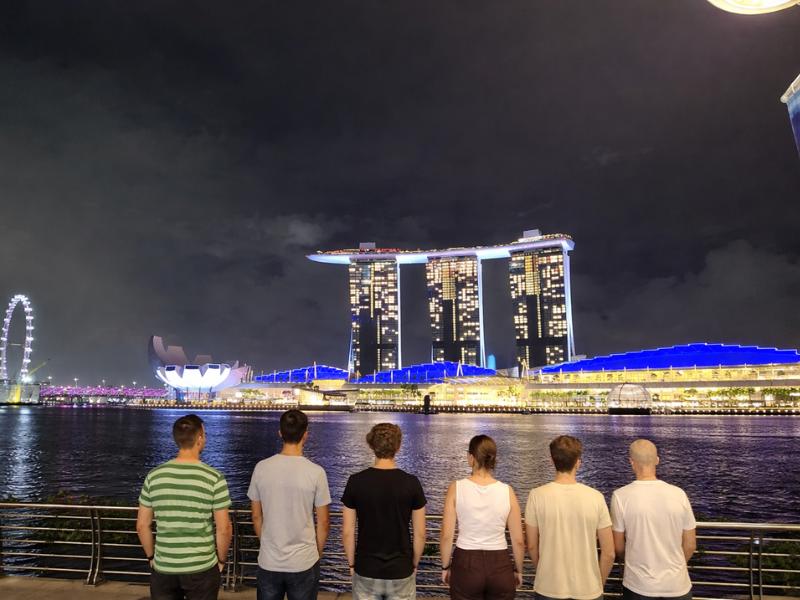
Singapore’s vibrant evening scene comes alive on this small-group food and nightlife tour. Savor 9 award-winning street food tastings at famous hawker markets, enjoying classic Singaporean dishes locals love after dark. Then stroll along the Singapore River through lively Clarke Quay, Boat Quay, and Marina Bay’s glowing skyline, with bars and nightlife buzzing around you.
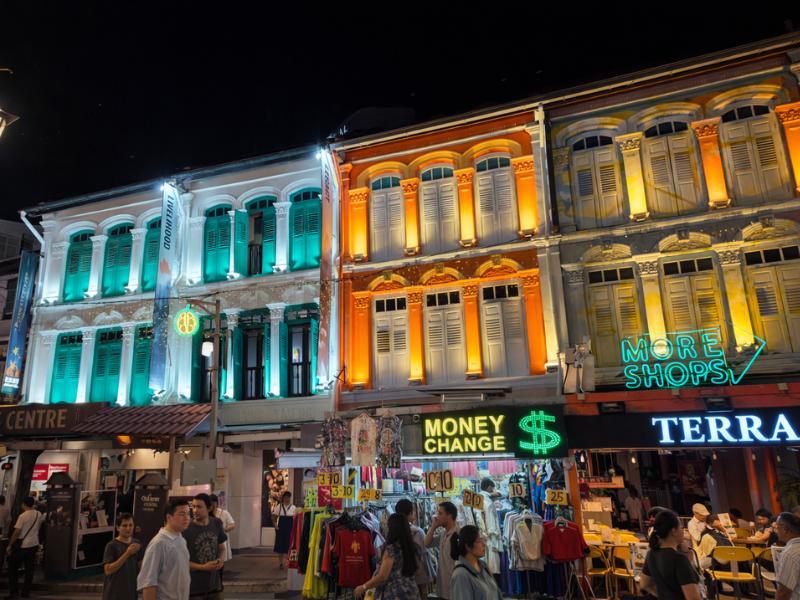
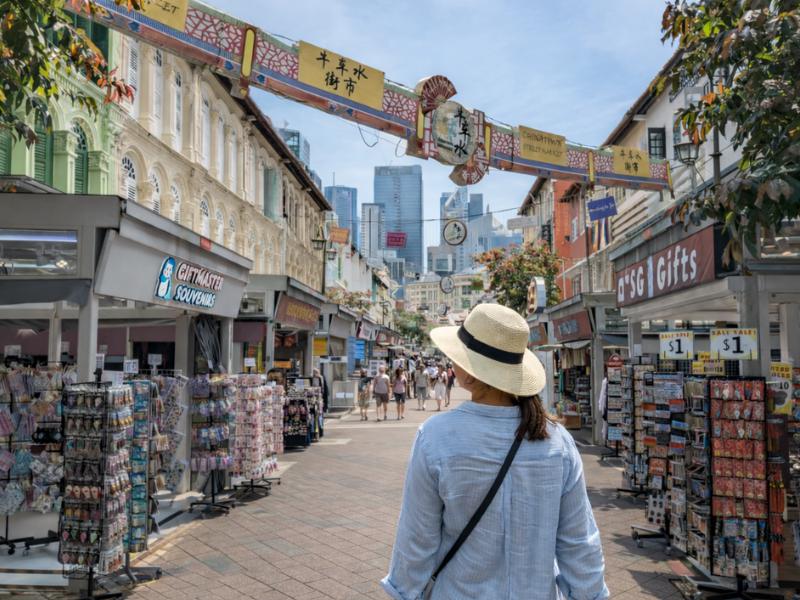
Chinatown blends old-school hawker stalls with trendy bars, and this evening tour dives into its vibrant food scene. Start on Pagoda Street at 5 pm with charcoal-grilled bakkwa jerky. Wander vendors for tropical fruits like durian, fresh seafood, and daily essentials. At Chinatown Complex hawker centre, taste savoury carrot cake or char kway teow, then enjoy soya sauce chicken rice from Singapore’s first Michelin-star hawker stall.
Singapore’s UNESCO hawker culture bursts with Chinese, Malaysian, and Indonesian flavors, and this half-day small-group tour dives into it with a local guide sharing deep insights. Walk vibrant neighborhoods like Chinatown, Kampong Glam, and Little India, soaking in everyday life and atmosphere at iconic hawker centers.
Singapore’s street food scene is a vibrant mix of cultures and flavors, and this fully personalized tour lets you dive in with a passionate local foodie. After booking, a quick questionnaire matches you with a like-minded guide who crafts your unique itinerary around your tastes. From Michelin-starred hawker stalls to hidden gems, enjoy 6–8 curated tastings of authentic dishes.
Singapore’s vibrant soul shines through its Malay, Chinese, and Indian influences, and this private walking and tasting tour brings them to life across Kampong Glam, Little India, and Chinatown. With a dedicated local guide, savor 9 authentic tastings at hawker stalls and eateries – from spicy Malay dishes to Chinese dim sum and Indian curries.
Meet your guide at Little India MRT for a semi-private culinary adventure (max 6 people) through Little India and Chinatown. Sample 8–10 tastings from handpicked artisanal spots showcasing Singapore’s ethnic diversity – Chinese, Indian, Malay flavors. Learn about herbs, spices, and traditional techniques while exploring street art and atmospheric alleys.
Our Singapore night food tours hit vibrant hawker centres like Lau Pa Sat and Newton Food Centre after dark for 8-12 tastings of sizzling satay, oyster omelettes, chili crab, carrot cake, bak kut teh, and late-night desserts like ice kacang.
Singapore’s nighttime charm shines on this relaxed walking tour. Start with a delicious dinner at a historic hawker centre for authentic local flavours. Stroll to a hidden spot for panoramic views of Marina Bay and Gardens by the Bay. Visit Fuk Tak Chi Museum to uncover Singapore’s heritage. End with the spectacular Spectra and Garden Rhapsody light and water shows.
Singapore’s vibrant night scene bursts with flavors and energy on this small-group evening tour. Savor 9 award-winning street food tastings at famous hawker markets, enjoying classic Singaporean dishes locals love after dark. Then stroll along the Singapore River through lively Clarke Quay, Boat Quay, and Marina Bay’s glowing skyline, with bars and nightlife buzzing around you.
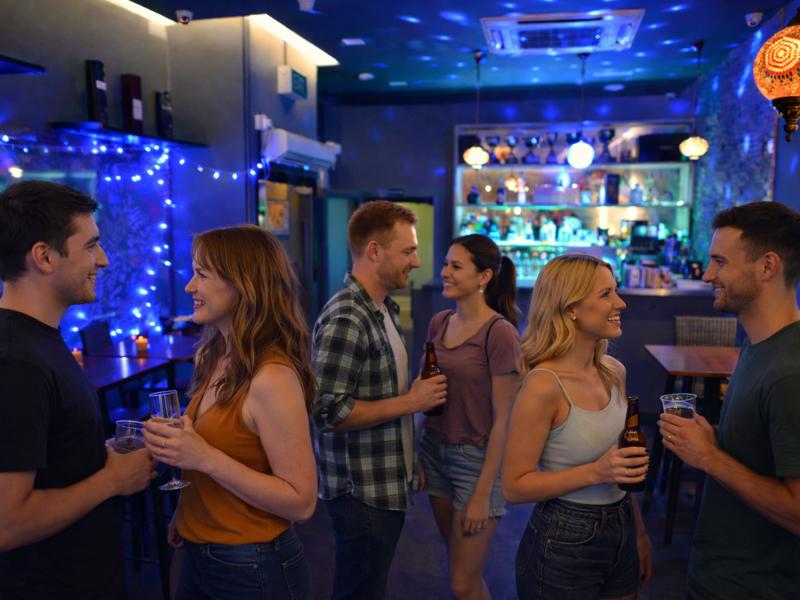
Singapore’s nightlife bursts with energy, and this top-rated pub crawl is the easiest way to dive in. Meet fun local hosts at Mogambo Bar for check-in, icebreakers, and a wristband unlocking drink deals. Kick off with a free welcome shot at the first bar, then hop to 3–4 handpicked spots – neon alleys, heritage shophouses, riverside views – with complimentary shots, games, and photo ops. Finish at a late-night dance venue with free entry and resident DJs spinning hits.
Our Singapore private food tours give you your own local guide and custom itinerary to hit the city's top hawker centres and hidden gems at your pace: 8-12 tastings of chili crab, Hainanese chicken rice, laksa, satay, Michelin-starred stalls, and off-menu specials.
Singapore’s street food scene blends Malay, Chinese, and Indian flavors like nowhere else, and this private tour makes it easy and personal. Your dedicated local guide takes you through Kampong Glam, Little India, and Chinatown’s Elderly Corner, tasting 10 beloved items – from foaming teh tarik tea to rojak, dim sum, Indian breads, and Malay curries. 100% customizable to your diet/allergies, with insider stories and no crowds.
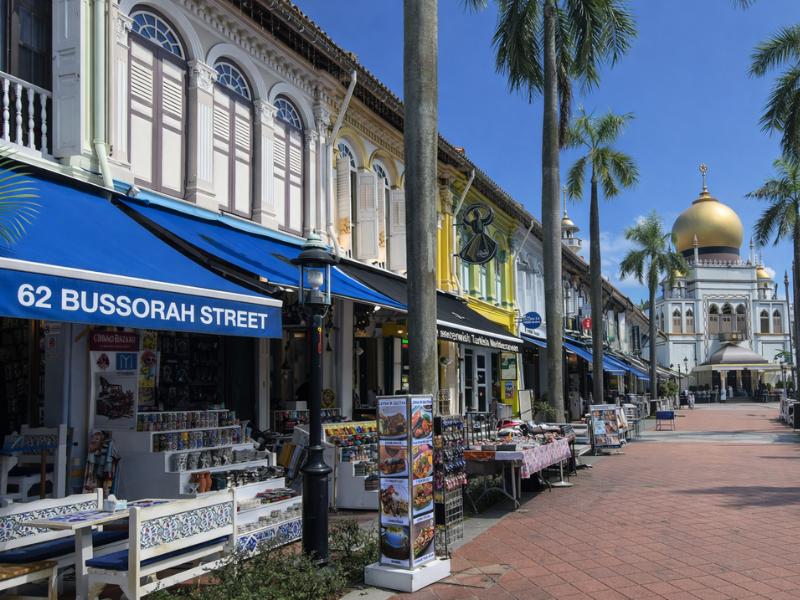
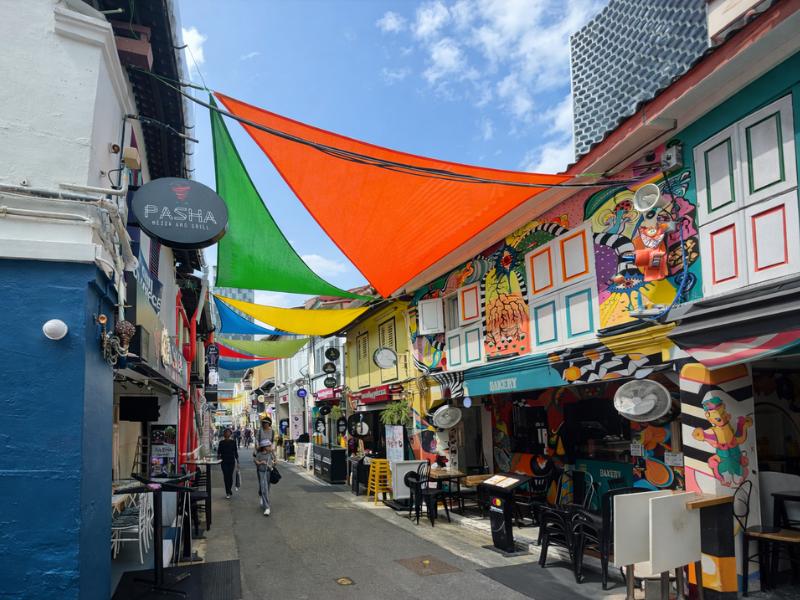
Singapore’s food scene blends Chinese, Malay, and Indian influences into something truly unique, and this private tour takes you straight to the locals’ favorites. Taste 10 beloved items – from teh tarik tea and rojak to savory classics and sweet treats – each hand-picked by your passionate local guide for authentic flavor. Wander Kampong Glam and Sultan Mosque, Little India with its cow murals, Chinatown’s Elderly Corner, and hidden spots in between.
Singapore’s multicultural tapestry shines through its food, and this private walking tour explores Chinatown, Little India, and Kampong Glam with a local guide. Sample 9 tastings from the four main ethnic groups – Chinese, Malay, Indian, and Peranakan – while learning the stories, history, and heritage behind each dish. Enjoy insider insights into local communities and where Singaporeans truly eat.
Singapore packs world-class food into a tiny, spotless island—hawker centres steam with chili crab, satay, and Hainanese chicken rice, while Michelin-starred spots sit next to street stalls selling $3 laksa. The city blends Chinese, Malay, Indian, and Peranakan flavors in ways that make every bite feel like a story: roti prata flipped in the air at dawn, bak kut teh simmering for hours, ice kacang piled high with colorful syrups. Walk through bustling Chinatown, Little India, or Kampong Glam for markets and smells that hit you from blocks away, then cool off with a cold sugarcane juice or teh tarik pulled just right. With Singapore Food Tours, you'll eat like a local at the best hawker centres, taste hidden gems in heritage neighborhoods, learn the stories behind each dish from passionate guides, and finish stuffed, happy, and already planning your next plate.
Our expert team has been helping navigate and book Singapore food tours and activities for tourists from all over the world for over a decade, ensuring you have a hassle-free trip with everything booked in advance.
With deep knowledge of Singapore’s vibrant hawker culture, multicultural cuisine, and iconic street food scene, partnerships with the best local guides and operators, and a passion for creating unforgettable experiences, we're committed to making your Singapore food adventure truly extraordinary. From your first inquiry to your last tasting, we're here to support you every step of the way.
Award-Winning Travel Experience
Singapore Food Tours is recognized by leading travel platforms worldwide
Singapore Gastronomy Excellence Award2025
Hawker Heritage Choice Award2024
Best Singapore Food Tour Operator2025
Singapore Food Scene Sustainable Tourism Award2024
Multicultural Cuisine & Street Food Verified Excellence2024
Singapore food tour questions
What dishes can I expect on a Singapore food tour?
On a typical Singapore food tour (usually 3–4 hours, small-group walking tour), you can expect to taste 8–12 iconic Singaporean dishes — a generous mix of hawker centre classics, street food, and Peranakan influences that add up to a full, satisfying meal.
Common dishes you’ll actually try in 2025–2026:
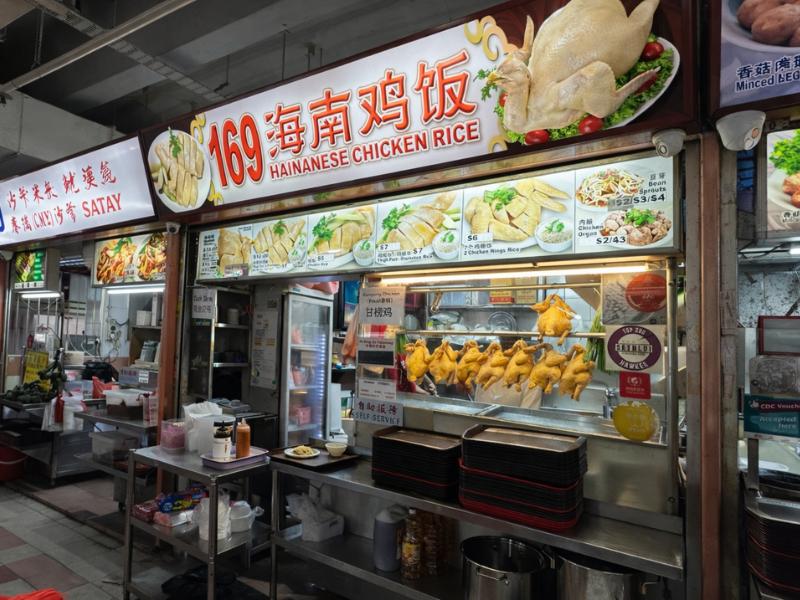
Hainanese chicken rice — fragrant rice cooked in chicken broth, tender poached chicken, chilli sauce, and cucumber — often called Singapore’s national dish.
Char kway teow — stir-fried flat rice noodles with prawns, cockles, Chinese sausage, bean sprouts, egg, and dark soy sauce — smoky wok hei flavour.
Laksa — spicy coconut noodle soup (Katong or curry laksa style) with prawns, cockles, fish cake, tofu puffs, and thick rice noodles.
Satay — grilled meat skewers (chicken, beef, mutton) with peanut sauce, cucumber, and ketupat rice cakes.
Roti prata — crispy Indian flatbread with curry dipping sauce (plain or egg prata common).
Chilli crab or black pepper crab — small portion/sample (messy but iconic Singapore seafood).
Oyster omelette (orh luak) — crispy starch batter with fresh oysters and eggs.
Carrot cake (chai tow kway) — steamed radish cake stir-fried with egg, preserved radish, and sweet/dark soy.
Popiah — fresh spring rolls with jicama, prawns, egg, and sweet sauce.
Kaya toast — thick toast with coconut-egg jam (kaya), butter, and soft-boiled eggs.
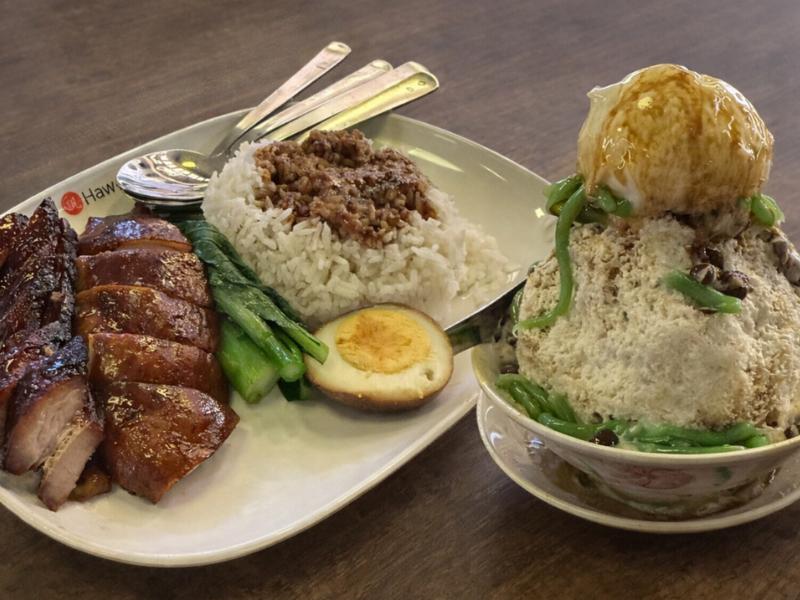
Ice kacang or chendol — shaved ice dessert with red beans, jelly, coconut milk, and syrup.
Drinks — usually included: sugarcane juice, bandung (rose milk), teh tarik (pulled tea), or coconut water.
Portions are generous but not overwhelming — designed so you taste a lot without getting too full. Vegetarian/vegan options are widely available on request (e.g., vegetarian laksa, roti prata, popiah). The focus is on hawker centre and street food authenticity, with guides explaining the multicultural history behind each dish.
You can book highly rated Singapore food walking tours (with 8–12 tastings, expert local guide, and small groups) at Singapore Food Tours.
Is a guided Singapore food tour worth it for first-time visitors?
Yes, a guided Singapore food tour is highly worth it for first-time visitors — it is one of the best and most efficient ways to dive into the city’s multicultural hawker food scene without wasting time or making expensive mistakes.
Here’s why it stands out in 2025–2026:
You visit 5–7 authentic hawker stalls or hidden gems in 3–4 hours — places locals love (e.g., Maxwell, Tiong Bahru, Chinatown Complex, or Lau Pa Sat) that first-timers rarely find on their own.
Try 8–12 signature dishes — generous tastings of Hainanese chicken rice, char kway teow, laksa, satay, chilli crab (sample), roti prata, popiah, oyster omelette, carrot cake, kaya toast, ice kacang, and more — all curated so you get the best versions without overeating.
Expert local guide — they explain the multicultural history (Chinese, Malay, Indian, Peranakan influences), how dishes evolved, and tips on ordering/eating — turns the experience into a cultural lesson, not just eating.
No language barrier or queue confusion — guides order for the group, handle busy stalls, and ensure you get seated quickly.
Avoid tourist traps — guides skip overpriced or mediocre spots and take you to authentic hawker centres where locals eat.
Social & fun — small groups (usually 8–12 people) create a relaxed vibe — easy to chat with other travelers and share food.
Compared to going solo:
Solo: You’ll likely stick to 3–4 famous stalls (e.g., Maxwell chicken rice, Lau Pa Sat satay), miss hidden gems, spend more time queuing/walking, and possibly spend more on average per dish.
Guided tour: More variety, better explanations, and usually cheaper overall (tastings add up to a full meal for ~SGD 80–120 pp, including guide and logistics).
Verdict For first-time visitors, a guided food tour is one of the smartest things to do — it gives you the widest, most authentic taste of Singapore’s food culture in a short time, with context and zero hassle. Most first-timers say it’s their favorite activity and they wish they’d done it on day 1.
You can book highly rated Singapore food walking tours (small groups, 8–12 tastings, expert local guide) at /.
How long does a typical Singapore food tour last?
A typical Singapore food tour lasts 3 to 4 hours.
Most popular walking food tours in 2025–2026 run for 3 hours (some extend to 3.5–4 hours), covering 5–7 hawker stalls or restaurants with 8–12 generous tastings. The duration includes easy walking (usually 2–4 km on flat sidewalks in areas like Chinatown, Maxwell, Tiong Bahru, or Lau Pa Sat), time to eat at each stop, and short explanations from the guide about the food’s history and cultural background.
Tours usually start late morning (around 11 AM) or early afternoon (1–2 PM) so you end up full enough to skip a big lunch, or in the late afternoon/evening for a pre-dinner experience.
You can book highly rated Singapore food walking tours (3–4 hours, 8–12 tastings, small groups, expert local guide) at Singapore Food Tours.
What are the main neighborhoods covered on Singapore food tours?
A typical Singapore food walking tour covers 2–3 main neighborhoods in a 3–4 hour experience, focusing on the most iconic hawker centres and street food areas.
The most common neighborhoods included are:
Chinatown — the heart of many tours; famous for Maxwell Food Centre (Tian Tian Hainanese Chicken Rice), Hong Lim Market & Food Centre (char kway teow, bak kut teh), and street stalls along Smith Street or Keong Saik Road. Often includes satay, popiah, oyster omelette, and kaya toast.
Tiong Bahru — heritage area with historic hawker centres and cafes; highlights include Tiong Bahru Market (carrot cake, rojak, curry rice), plus modern spots for coffee and pastries. Great for a mix of old-school hawker food and hipster vibes.
Lau Pa Sat (Telok Ayer) — the famous satay street market at night; tours often end here for satay skewers, chilli crab, and the lively atmosphere under the gas lamps.
Little India (sometimes included) — for roti prata, thosai, biryani, and Indian sweets at Tekka Centre or Komala Vilas.
Bugis / Kampong Glam (occasional) — for Malay/Peranakan food like nasi padang, mee rebus, or laksa at Albert Centre or Zam Zam.
Most frequent combo:
Chinatown (Maxwell/Hong Lim) + Tiong Bahru, or
Chinatown + Lau Pa Sat (for satay finale).
Some tours focus on one area (e.g., Chinatown only) for deeper dives, while others combine two (e.g., Chinatown + Little India).
You can book highly rated Singapore food walking tours (covering Chinatown, Tiong Bahru, Lau Pa Sat, with 8–12 tastings and expert guide) at /.
Do Singapore food tours include Michelin-starred hawker stalls?
Yes, many Singapore food tours include at least one Michelin-starred or Bib Gourmand hawker stall — it’s a highlight for most first-time visitors and a common feature on highly rated tours in 2025–2026.
Popular Michelin/Bib Gourmand stalls frequently visited on food tours:
Hong Lim Market & Food Centre — often includes Liao Fan Hawker Chan (the world’s first Michelin-starred hawker stall for soya sauce chicken rice & noodles, though it has moved/rebranded; tours still visit similar stalls nearby) or Tian Tian Hainanese Chicken Rice (Bib Gourmand).
Maxwell Food Centre — Tian Tian Hainanese Chicken Rice (Bib Gourmand) is a staple stop on almost every Chinatown-focused tour.
Chinatown Complex Market & Food Centre — Hawker Chan legacy stalls or Outram Park Fried Kway Teow Mee (Bib Gourmand) are common inclusions.
Tiong Bahru Market — Tiong Bahru Hainanese Curry Rice or other Bib Gourmand stalls sometimes featured.
How it works:
Guides choose 1–2 starred/Bib Gourmand stalls per tour (usually in Chinatown or Tiong Bahru areas).
You get a generous tasting portion (enough to appreciate the dish without overfilling).
The guide explains why it earned recognition (quality, consistency, heritage) and why locals still queue for it.
Not every tour hits a Michelin-starred stall (some focus on hidden gems or variety), but the best-rated ones almost always do — check the tour description for mentions of “Michelin,” “Bib Gourmand,” “Tian Tian,” or “Hong Lim/Maxwell.”
Verdict
Yes — a good Singapore food tour usually includes at least one Michelin-recognized hawker stall (Tian Tian or similar) as a highlight.
It’s one of the reasons the tours are so popular — you get to taste world-famous hawker food without hunting stalls alone.
You can book highly rated Singapore food walking tours (including Michelin/Bib Gourmand hawker stalls like Tian Tian or Hong Lim, 8–12 tastings, small groups, and expert guide) at Singapore Food Tours.
How many tastings are usually on a Singapore food tour?
A typical Singapore food walking tour includes 8–12 tastings (most commonly 10 tastings).
This number comes from the standard 3–4 hour small-group tours in 2025–2026 — you visit 5–7 hawker stalls or restaurants, with 1–3 small-to-medium portions per stop, adding up to a satisfying full meal equivalent without overeating.
Common range:
8–10 tastings on shorter/more relaxed tours (focus on quality over quantity).
10–12 tastings on fuller tours (covers more variety: chicken rice, char kway teow, laksa, satay, roti prata, chilli crab sample, carrot cake, oyster omelette, popiah, kaya toast, ice kacang, etc.).
Portions are generous tasting sizes — you leave full but not stuffed, with room for dinner later if desired.
You can book highly rated Singapore food walking tours (8–12 tastings, small groups, expert local guide) at /.
Are hawker centres the main focus of Singapore food tours?
Yes, hawker centres are the main focus of almost every Singapore food walking tour — they are the heart of the experience and where 70–90% of the tastings happen.
Singapore’s hawker centres (e.g., Maxwell, Tiong Bahru, Hong Lim, Lau Pa Sat, Chinatown Complex, Tekka Centre) are UNESCO-listed intangible cultural heritage and the authentic source of the city’s most famous dishes. Tours are built around them because:
They offer the widest variety of iconic hawker food (chicken rice, char kway teow, laksa, satay, chilli crab, carrot cake, oyster omelette, roti prata, popiah, kaya toast, ice kacang).
You taste dishes prepared fresh by long-time hawkers in their original stalls — the real deal, not restaurant versions.
Guides explain the multicultural hawker culture (Chinese, Malay, Indian, Peranakan influences), history, and why stalls earn Michelin Bib Gourmand or stars (e.g., Tian Tian Chicken Rice, Hawker Chan legacy).
Typical tour structure (3–4 hours):
5–7 stops, with 4–6 in hawker centres (the rest might be a street stall, bakery, or dessert shop).
8–12 tastings, mostly from hawker stalls — enough to feel full without needing lunch afterward.
Some tours add a modern café or Michelin restaurant for contrast, but hawker centres remain the core — they are what make Singapore’s food scene unique and world-famous.
You can book highly rated Singapore food walking tours (focused on hawker centres like Maxwell, Tiong Bahru, Hong Lim, with 8–12 tastings and expert guide) at Singapore Food Tours.
Best time of day for a Singapore food tour – morning or evening?
The morning food tour (usually starting 10:00–11:30 AM) is generally the better choice for most visitors — it’s the most popular and practical time slot.
Why morning is better:
Hawker stalls and markets are freshest in the morning — food is cooked in large batches for breakfast/lunch, so dishes like chicken rice, char kway teow, roti prata, and satay are at their peak.
Cooler temperatures — Singapore is hot/humid year-round, but mornings are noticeably more comfortable (25–29°C vs 31–34°C midday/afternoon).
Less crowded stalls — you avoid the lunch rush (12–2 PM) when locals and office workers queue up; easier to get seats and photos.
Ends early — finish around 1:30–2:30 PM full enough to skip lunch, leaving the afternoon free for sightseeing, shopping, or resting.
Many highly rated tours run only in the morning — more choice and availability.
Evening food tours (usually 5:00–9:00 PM)
Focus on night markets and satay street (Lau Pa Sat) — great for the lively atmosphere, grilled satay, chilli crab, and beer under lights.
Hotter and more humid — walking feels stickier after sunset.
Busier at popular stalls — longer waits for some dishes.
Ends late — you’re full for dinner, but might feel rushed if you have evening plans.
Verdict
Morning is the clear winner for most people — fresher food, cooler weather, fewer crowds at stalls, and a more relaxed pace. It’s the most recommended time for first-timers.
Choose evening only if you want the night market/satay vibe or your schedule doesn’t allow mornings.
You can book highly rated Singapore food walking tours (morning or evening options with 8–12 tastings, small groups, and expert local guide) at /.
Is Singapore crowded during food tours in high season?
Yes, Singapore food tours are noticeably crowded during high season (December to February, and July–August), but they remain enjoyable and manageable — the crowds are mostly at the hawker centres themselves, not overwhelming the tour experience.
In high season 2025–2026:
Peak months (Dec–Feb, especially Christmas/New Year and Chinese New Year period in Jan/Feb): Hawker centres like Maxwell, Tiong Bahru, Hong Lim, and Lau Pa Sat get very busy at lunch (12–2 PM) with locals, office workers, and tourists. Stalls have queues (5–20 minutes for popular ones like Tian Tian Chicken Rice), seating can be hard to find, and the atmosphere is lively/noisy.
Tours still run smoothly — small groups (8–12 people) move efficiently between stalls, guides handle ordering and seating, and you taste 8–12 dishes without long waits (they often go to less-crowded stalls or time visits early/late).
Midday tours (11 AM–2 PM start) feel busier at peak hawker hours; evening tours (5–9 PM) can be crowded at Lau Pa Sat satay street but have a festive night market vibe.
Verdict High season = moderately crowded at hawker centres (longer queues, busier seating), but food tours are designed to handle it — small groups, smart timing, and guide expertise keep the experience fun and not frustrating. If you hate any crowds, choose shoulder months (March–May or September–November) — quieter stalls, shorter waits, same great food.
You can book highly rated Singapore food walking tours (small groups, 8–12 tastings, expert guide — manageable crowds even in high season) at Singapore Food Tours.
Best month for Singapore food tours – dry season or shoulder?
Shoulder season (especially April–May or September–October) is generally the best time for Singapore food tours — you get the perfect balance of good weather, fewer crowds at hawker centres, shorter queues at popular stalls, and slightly lower prices than peak dry season.
Here’s the clear comparison for 2025–2026:
Shoulder season (April–May & September–October)
Weather: Warm and pleasant (28–32°C), mostly sunny with occasional short showers (rainy season tail-end or start) — still comfortable for walking between hawker centres (Maxwell, Tiong Bahru, Hong Lim, Lau Pa Sat).
Crowds: Much lower — hawker stalls (Tian Tian Chicken Rice, Hong Lim char kway teow, Lau Pa Sat satay) have shorter queues, easier seating, and a more relaxed local vibe.
Prices: Food tours, accommodation, and transport are 10–30% cheaper than peak dry season.
Vibe: Authentic and enjoyable — you can linger at stalls, chat with hawkers, and take photos without rushing.
Best months: April–May (post-peak, very low crowds) or September–October (pre-peak, still dry-ish).
Dry/peak season (December–March)
Weather: Driest and sunniest (28–32°C), very low rain — ideal for walking and outdoor hawker centres.
Crowds: High — especially December–February (Christmas/New Year, Chinese New Year in Jan/Feb) — long queues at Michelin/Bib Gourmand stalls (Tian Tian, Hawker Chan legacy), crowded seating at Maxwell/Hong Lim/Lau Pa Sat, and busier streets in Chinatown/Tiong Bahru.
Prices: Highest of the year — tours and hotels cost 20–40% more.
Vibe: Energetic and festive — great if you love the buzz, but can feel hectic at peak stalls.
Best for: People who want guaranteed dry weather and don’t mind crowds.
Verdict
Choose shoulder season (especially April–May or September–October) for the best overall experience — excellent weather, far fewer crowds at hawker centres, shorter waits for famous stalls (Tian Tian chicken rice, char kway teow, satay), and better value. This is when most repeat visitors and food lovers prefer Singapore food tours.
Choose dry/peak season (Dec–Feb) only if you want the absolute driest weather and don’t mind queues/crowds at popular stalls — it’s the busiest but still enjoyable.
You can book highly rated Singapore food walking tours (hawker centres like Maxwell, Tiong Bahru, Hong Lim, 8–12 tastings, small groups, expert guide — perfect for quieter shoulder-season visits) at /.
Is Singapore safe for solo travelers on food tours?
Yes, Singapore is extremely safe for solo travelers on food tours — it is consistently ranked as one of the safest cities in the world for solo visitors (including solo female travelers), with very low crime rates and a strong police presence in tourist/hawker areas.
Food tours (hawker centres like Maxwell, Tiong Bahru, Hong Lim, Lau Pa Sat) are among the safest activities you can do alone:
Small-group tours (usually 8–12 people) create a friendly, social environment — most solo travelers quickly chat with others, share food, and feel comfortable.
Guides are professional, local, and attentive — they stay with the group the entire time, lead you through busy hawker centres, order at stalls, and help with seating or photos.
Hawker centres are well-lit, crowded with locals and families, and heavily patrolled — no dark alleys or isolated areas.
Petty theft (pickpocketing or bag/phone snatching) is very low — much lower than in many European or US cities — but still keep valuables secure (cross-body bag, money belt) in crowded stalls like Maxwell at lunch rush.
Harassment is extremely rare — Singapore has a respectful culture; solo women report feeling completely at ease walking with the group or even alone in hawker areas during the day/evening.
Practical tips for solo travelers on food tours:
Book with reputable operators (high ratings on GetYourGuide, Viator, or direct sites) — they prioritize safety and group cohesion.
Choose morning or early afternoon tours — hawker centres are busy but safe and lively; evening tours (Lau Pa Sat satay) are also secure but noisier.
Keep your phone in a secure pocket or bag — standard precaution in any crowded food market.
Share tour details (meeting point, guide name) with someone — basic safety habit.
Overall verdict: Singapore food tours are one of the safest and most enjoyable activities for solo travelers — the group setting, professional guides, well-lit hawker centres, and Singapore’s overall safety record make it stress-free and welcoming. Many solo women and first-time visitors say it’s their favorite way to explore the city.
You can book highly rated small-group Singapore food walking tours (hawker centres like Maxwell, Tiong Bahru, Hong Lim, 8–12 tastings, expert local guide — solo-friendly with social vibe) at Singapore Food Tours.
Is one Singapore food tour enough or should I do multiple?
One Singapore food tour is enough to get a solid introduction to the city’s hawker culture — you’ll taste 8–12 iconic dishes (chicken rice, char kway teow, laksa, satay, chilli crab sample, roti prata, carrot cake, kaya toast, ice kacang, etc.) and visit 5–7 top hawker centres or stalls in 3–4 hours. Most first-time visitors leave happy and feeling they’ve experienced the essence of Singapore’s food scene.
However, doing multiple tours (2–3 different ones) is what many people end up wishing they had done — it gives a much broader, deeper, and more varied taste of Singapore’s multicultural cuisine.
Why one tour is often enough:
Covers the classics across Chinese, Malay, Indian, and Peranakan influences.
Leaves you full enough to skip a big meal — you’ve already eaten a day’s worth of highlights.
Efficient for short stays or cruise stops — you see Maxwell, Tiong Bahru, Hong Lim, or Lau Pa Sat in one go.
Why multiple tours are better:
Different neighborhoods = different specialties — one tour might focus on Chinatown (chicken rice, char kway teow), another on Little India (roti prata, biryani), another on East Coast or Geylang (seafood, satay).
More variety — one tour won’t hit everything (e.g., Michelin/Bib Gourmand stalls, Peranakan nyonya food, Indian-Muslim eateries, dessert specialists).
Different times of day — morning tours hit freshest stalls, evening tours catch satay street at Lau Pa Sat or night markets.
Deeper understanding — each guide shares different stories and hidden gems.
Verdict:
One tour → sufficient for a great overview — perfect if you have only 1–2 days or want to leave room for other sights.
2–3 tours → highly recommended if staying 3+ days — you’ll discover how diverse and deep Singapore’s food scene really is (most food lovers say one day isn’t enough).
You can book highly rated Singapore food walking tours (different neighborhoods, 8–12 tastings, small groups, expert local guide) at /.
A Typical Tour Day in Singapore Food Country
One day of eating in Singapore, hour by hour, the way the guided tours actually run it.
11:00 amMeet your guide at Chinatown MRT, walking tour begins
11:15 amChinatown Complex hawker centre, soya sauce chicken rice
11:45 amChar kway teow, carrot cake or bak kut teh
12:30 pmWalk through Chinatown streets, guide explains the culture
1:00 pmLittle India, roti prata and teh tarik
2:00 pmKampong Glam, Malay kueh and murtabak
3:00 pmRest, coffee break at a heritage kopitiam
5:00 pmLau Pa Sat at dusk, satay grills lit outside
6:00 pmChili crab or laksa, final dishes of the day
7:00 pmClarke Quay waterfront, tour ends
Singapore’s hawker culture was inscribed on UNESCO’s Intangible Cultural Heritage list in 2020, and the inscription language explains something that visitors arriving at a hawker centre for the first time often sense before they can articulate: these are not food courts. They are the result of decades of deliberate policy, community organization, and culinary transmission that has preserved a diverse set of cooking traditions in an accessible, democratic form. The guides at Singapore Food Tours explain this history before the first stop, which transforms what might otherwise register as a very good cheap lunch into an understanding of how a city-state with no natural resources and a colonial history built a food culture that Michelin now regularly visits on an annual basis.
The first Michelin-starred hawker stall was Chan Hon Meng’s soya sauce chicken rice in Chinatown Complex, awarded a star in 2016, and it remains one of the most specific examples of what Singapore has done that is genuinely unusual in the global food landscape. A single dish, perfected over decades in a hawker stall, recognized by the same institution that governs fine dining in Paris and Tokyo. The guides take clients to Chan Hon Meng’s stall not only for the chicken but for what the story of it means about how Singapore values food. The queue is part of the information.
Here is what we tell clients honestly before the tour: a Singapore food tour involves eating more than most people plan for, and the correct approach is to arrive hungry and pace deliberately through the first few stops rather than finishing everything at each stall. The portions at hawker centres are calibrated for regulars eating one dish as a complete meal, not for tourists sampling ten dishes across three hours. The guides have calibrated this over hundreds of tours and know which portion sizes allow the full range to be covered without anyone reaching the satay stop unable to eat. Dietary restrictions are manageable with advance notice, and Singapore’s multi-ethnic food culture means vegetarian, halal, and gluten-aware options are available at nearly every hawker centre without compromise.
The three ethnic districts, Chinatown, Little India, and Kampong Glam, are not tourist recreations. They are functioning commercial and residential neighborhoods with specific cultural and religious institutions, daily markets, and communities that have been in these locations for over a century. The food at each reflects the community it serves. Roti prata at a Little India stall is made by hands that have been doing this for years and sold to people who eat it for breakfast before work. Malay kueh in Kampong Glam is prepared from recipes passed through families across generations. The guides walk through all three districts in a sequence that gives clients a working map of Singapore’s ethnic geography, and the food at each stop is the most direct entry point into what each community is.
The evening at Lau Pa Sat is the correct close. The Victorian cast-iron market building in the financial district, built in 1894, comes alive from around 5pm when the satay stalls set up their grills on the street outside and the smoke from the charcoal fills the entire block. The satay at Lau Pa Sat is straightforwardly excellent, the peanut sauce made properly, and eating it at an outdoor table while the towers of the financial district rise directly above is the specific Singapore juxtaposition that the city produces more naturally than anywhere else in Asia. Singapore Food Tours ends the day on the Clarke Quay waterfront, where the conservation shophouses from the colonial period sit alongside the river lit by their own reflection, and the guides answer any final questions about where to eat independently for the rest of the trip.
Average Tour Prices in Singapore: Food & Hawker Experiences
Tap a column heading to sort.
Prices below are what you’ll pay when booking through verified operators online. They are current as of early 2026. Singapore is a city-state at the southern tip of the Malay Peninsula, served by Changi Airport (SIN), one of the busiest and most connected airports in Asia with direct flights to over 100 countries. Singapore’s hawker culture was added to UNESCO’s Representative List of the Intangible Cultural Heritage of Humanity in 2020, recognising the hawker centre as a democratic and deeply multicultural food institution. The city is home to multiple Michelin-starred hawker stalls, including the world-famous Hawker Chan (soya sauce chicken rice), which received its star in 2016. The food tour geography centres on three heritage neighbourhoods: Chinatown, Little India, and Kampong Glam (the Malay-Arab quarter), all within 2 to 3 km of each other and the central MRT network. Singapore’s tropical climate means food tours are comfortable year-round in air-conditioned hawker centres; outdoor walking between stops is warm and humid but manageable.
Singapore Food Tours: What Each Experience Costs Online
The two $89 night walk tours are operated by the same underlying team and cover the same route; both appear in the listing for different booking windows. The food + street art tour at $110 caps at 6 participants for a genuinely semi-private format. The $216 personalised tour uses a pre-booking questionnaire to match you with a guide whose food interests and palate align with yours, then builds the itinerary around your preferences rather than a fixed menu. All tours operate walking between hawker centres; the bike tour is the only one requiring cycling. Dietary accommodations vary by tour; guests with significant restrictions should contact the operator before booking.
Online vs. Self-Guided Hawker Exploration vs. Hotel Concierge Dining Recommendations: How Booking Method Affects What You Get
Book Online in Advance (via verified operators like Singapore Food Tours)
$70 to $216 per person depending on format and duration
Low: guide assigned, hawker stall selection curated, tasting quantities managed, cultural and culinary context provided, group size capped for small-group formats; the Michelin bibs tour and personalised tour fill rapidly on weekends and during major events like Formula 1 Singapore Grand Prix; most tours offer free cancellation 24 hours ahead
Self-Guided Hawker Centre Exploration (navigate independently using apps, guides, or Google Maps)
Effectively free to explore; individual dishes typically $2 to $8 SGD per plate ($1.50 to $6 USD)
Low to Medium depending on knowledge: Singapore’s hawker centres are genuinely accessible, well-labelled in English, and safe for independent exploration; a visitor who does their research can eat extraordinarily well at Maxwell Food Centre, Chinatown Complex, or Lau Pa Sat for under $20 SGD total; the gap between guided and self-guided is not access but context and curation: without a guide pointing to the specific stall with the 30-year queue history, explaining why the white pepper crab at one corner tastes different from the chilli crab two stalls over, or navigating the ordering etiquette at peak hour, first-time visitors consistently report missing the best bites despite being in the right building
Hotel Concierge Restaurant Recommendations (rely on hotel staff for dining suggestions)
Hotel restaurants and concierge-recommended spots typically $50 to $150 SGD per meal ($37 to $112 USD)
Low: Singapore’s hotel restaurant scene is world-class and a concierge recommendation at a good hotel is reliable; the specific limitation is that hotel dining and concierge-tier restaurants represent a fundamentally different economic and cultural register from hawker centre eating, and the hawker culture that UNESCO recognised is not primarily experienced in hotel restaurants
The Honest Case for Booking with Singapore Food Tours in Advance
Singapore’s hawker centres are one of the great food institutions of the world, but the specific knowledge required to navigate them well is not self-evident from the outside. Maxwell Food Centre in Chinatown has over 100 stalls; knowing which ones are worth the queue and which have coasted on historical reputation requires either years of local eating or a guide who has done that work. The Michelin-starred Hawker Chan stall, where a plate of soya sauce chicken rice costs around $6 SGD and once had a longer queue than any restaurant in the city, is the globally famous example of what Singapore’s hawker culture can produce, but it represents one data point in a system with thousands of vendors across dozens of centres. A guide who grew up eating in these centres brings a level of curation that no app or guidebook fully replicates.
The $99 Michelin bibs and hawker tour, with 9 tastings over 3.3 hours in Chinatown, is the most efficient entry point for first-time visitors. The tasting count matters: 9 dishes across a 3-hour walk means you are sampling genuinely rather than picking at samples, and the variety covers the three main culinary traditions that define Singapore’s food identity: Chinese (including Hokkien, Teochew, and Cantonese influences), Malay, and Indian. The guide’s narrative about each dish, the stall’s history, and the cultural significance of specific ingredients is what separates this from a self-directed wander through the same building.
The cultural food tour at $158 and the UNESCO hawker heritage tour at $162 both run approximately 5 hours and cover more ground, literally and culturally. The longer format allows the guide to walk you through Kampong Glam’s Arab Street, Little India’s Tekka Centre, and Chinatown’s back lanes, building a picture of the city’s ethnic geography through the food it produces in each neighbourhood. For visitors with more than one full day in Singapore, this longer format is the one that produces the clearest understanding of why the city eats the way it does. The half-day format at $110 with a maximum of 6 participants and a combined food and street art focus is the best pick for travellers who want the intimacy of an almost-private tour without the premium of a fully private booking.
How to Visit Singapore for Food
Singapore has one of the most concentrated and genuinely excellent food cultures on the planet, and almost all of it happens in hawker centres: open-air complexes where dozens of individual stall operators cook specific dishes they have often spent decades perfecting. Hainanese chicken rice, char kway teow, laksa, satay, roti prata, and carrot cake are not restaurant dishes here; they are the daily food of the city, affordable, freshly cooked, and accessible to everyone. Understanding how the hawker system works and where to find the best versions of each dish is the difference between a memorable food experience and a frustrating one. Here is what the team at Singapore Food Tours tells first-timers when they reach out.
1
Fly into Changi Airport (SIN), one of the most efficient international airports in the world.
Changi receives direct flights from virtually every major city in Asia and has strong connections from Europe, Australia, the Middle East, and North America. The airport itself has restaurants serving hawker-style food if you land hungry and cannot wait. From the airport, the MRT train takes you to the city centre in around 30 minutes for a few Singapore dollars, or taxis and ride-hail apps are plentiful. Singapore is compact and its public transport is excellent, so most food areas including Chinatown, Little India, Kampong Glam, and the CBD hawker centres are all within easy reach of any central hotel.
2
Do a guided food tour on your first full day, before you try to navigate independently.
Singapore’s hawker culture is UNESCO-listed and genuinely extraordinary, but it is also dense and confusing for first-timers. Many stalls look similar, menus are not always in English, popular stalls have queues while adjacent stalls with identical-looking dishes are inferior, and the geography of the main hawker centres takes time to understand. A guided tour in the morning, covering Maxwell Food Centre or Tiong Bahru Market plus two or three additional stops, takes three to four hours and produces eight to twelve tastings that give you an immediate working knowledge of what Singapore food is and where to find it. Most visitors describe it as the best single activity of their entire trip.
3
Go in the morning rather than at midday or late afternoon.
The morning is when hawker food is at its best. Stalls open early, food is freshly prepared in large batches for the breakfast and lunch trade, and the queues are shorter than during the 12 to 2 PM office lunch rush. The temperature is also more manageable: Singapore sits close to the equator and is hot and humid year-round, but mornings at 26 to 28 degrees are considerably more comfortable for walking between stalls than the 32 to 34 degrees of midday. Tours starting between 10 and 11 AM allow you to eat well, finish by early afternoon, and still have the rest of the day free.
4
Focus on the three main food districts:
Chinatown, Little India, and Kampong Glam. Each represents a distinct culinary tradition that forms part of Singapore’s multicultural identity. Chinatown and the stalls around Maxwell Road and Hong Lim Market are the home of Hainanese chicken rice, char kway teow, bak kut teh, and roast meats. Little India, particularly Tekka Centre, covers roti prata, biryani, thosai, fish head curry, and Indian sweets. Kampong Glam specialises in Malay and Indian-Muslim cooking including nasi padang, mee goreng, and murtabak. A comprehensive food tour moves through at least two of these districts; spending a second day exploring the third independently is the most natural follow-up.
5
April and May are the best months to visit for food tours.
The December through February period is the driest and technically the best weather window, but it is also peak season: Chinese New Year in January or February brings large crowds to Chinatown in particular, queues at the most famous stalls like Tian Tian chicken rice are longer, and prices for accommodation and tours are at their highest. April and May are when the city quiets down meaningfully, queues shorten, the hawker centres feel more relaxed, and you can sit at a stall and eat without competing for space. The food does not change with the season; only the experience around it does.
6
Eat where locals eat, not where the queues of tourists are.
This sounds obvious but requires some calibration in Singapore, where the most famous stalls such as Tian Tian at Maxwell have legitimately earned their reputation and are genuinely worth trying once. The issue is that neighbouring stalls in the same hawker centre, less famous but equally skilled, often have no queue and equivalent quality. A good guide knows which stalls are worth the wait and which adjacent alternatives are almost as good with none of the line. If you are eating independently after your tour, watch where the local office workers and elderly residents go at lunchtime. They are not sentimental about their food and they have eaten everything in the building.
7
Allow your schedule to be flexible around food.
Singapore food culture rewards spontaneity in a way that few food cities do. The satay street at Lau Pa Sat only really comes alive after dark when the road in front of the building is closed and dozens of satay grills appear on the footpath. The Tiong Bahru morning market has stalls that sell out by 10 AM and are gone until the following day. Geylang, the city’s least polished neighbourhood and arguably its best eating district, is worth an evening visit for seafood and durian. Building one or two unplanned food hours into each day produces better meals than any amount of advance research.
8
The one thing most first-timers get wrong:
arriving in Singapore and spending the first day eating at Marina Bay Sands restaurants or Orchard Road food courts instead of getting to a hawker centre. The hotel restaurants and shopping mall food is fine, but it is not why Singapore is considered one of the great food cities of the world. The hawker centres, the specific stalls, and the specific dishes are the reason. We tell every client the same thing on day one: put Maxwell Food Centre or Tiong Bahru Market on the itinerary before anything else, arrive before 11 AM, sit at a plastic stool with a plate of chicken rice and a cold sugarcane juice, and understand that this is where Singapore actually feeds itself. Everything else makes more sense after that.
Most Popular Singapore Food Tours
Tap a column heading to sort.
Singapore’s hawker culture is the reason most visitors book a food tour at all, and the booking patterns at Singapore Food Tours reflect a destination where the product category — guided eating — converts more consistently than almost any other tour type in the network. All three leading tours run for roughly three hours, cost under $160, and deliver between 9 and 10 tastings. What separates them is format: small group, night market crawl, or private.
First-time visitors who want a focused daytime introduction to Singapore’s hawker culture through Chinatown, combining Michelin Guide-listed and Bib Gourmand stalls with classic street food in a relaxed small-group walking format
Local guide through Chinatown’s vibrant streets to Michelin Bib Gourmand hawker stalls, 9 tastings spanning Michelin-recognized dishes and classic hawker favorites, exclusive guide commentary on Singapore’s culinary heritage and multicultural food history, small group format with personalized attention, suitable for all ages and fitness levels
Evening visitors and travelers who want to combine hawker market eating with Singapore’s riverside nightlife, tasting 9 dishes at famous hawker markets before strolling Clarke Quay, Boat Quay, and the Marina Bay skyline
9 award-winning street food tastings at famous hawker markets featuring classic Singaporean dishes, evening stroll along the Singapore River through Clarke Quay and Boat Quay, Marina Bay glowing skyline views, lively bars and nightlife atmosphere, relaxed small-group pace across Singapore’s most atmospheric waterfront
Travelers who want a fully private hawker food experience tailored to their dietary preferences, covering Kampong Glam, Little India, and Chinatown with 10 tastings spanning Malay, Indian, and Chinese cuisine
Dedicated local guide through Kampong Glam, Little India and Chinatown’s Elderly Corner, 10 tastings including foaming teh tarik tea, rojak, dim sum, Indian breads and Malay curries, 100% customizable for dietary requirements and allergies, insider stories about each community and where Singaporeans actually eat, no sharing with strangers
4.7 (10,257+ bookings)
The small-group Michelin tour leading by a significant margin at nearly 19,500 bookings with a 4.9 rating is the clearest signal on the site: visitors arriving in Singapore for the first time are primarily motivated by the hawker culture, and a tour that explicitly connects them to Michelin Bib Gourmand stalls in Chinatown at $99 represents the easiest and most credible entry point. The night tour in second earns its volume by layering the river walk and Marina Bay skyline onto what is essentially the same food format, converting visitors who want the evening atmosphere of Clarke Quay and Boat Quay as part of their food experience rather than as a separate activity. The private 3-culture tour in third at $152 is notably the most expensive of the three despite being the shortest, and accumulating over 10,000 bookings as a private product tells you that a meaningful share of Singapore’s food tourists arrive in couples or small groups who want the itinerary shaped around their preferences rather than set in advance.
Location
Singapore is a city-state on a small island at the southern tip of the Malay Peninsula, just 1 degree north of the equator, with Singapore Changi Airport (SIN) on the island’s eastern edge about 25 km from the city centre, reachable by MRT in around 30 minutes and consistently ranked among the world’s best airports with direct connections to over 100 countries. The location at the crossroads of Southeast Asia — where Chinese, Malay, Indian, and Peranakan cultures have converged for generations — is precisely what shaped the hawker culture at the centre of our tours, with each heritage community contributing distinct dishes that have evolved into Singapore’s own culinary identity, recognised by UNESCO in 2020. The equatorial climate means warm and humid conditions year-round, with no real seasons dictating when to visit. Take a look at the map below to see where our food tours move through the city’s hawker centres and heritage neighbourhoods.
25 kmAirport to city
30 minutesAirport to city (MRT)
100 countriesChangi Airport (SIN)
1 degree northLatitude
Guarantee Your Spot with Singapore Food Tours
Singapore’s hawker culture is UNESCO-listed, its best stalls have Michelin recognition, and the most sought-after guided food tours in the city run in small groups with strict participant caps. The Chinatown Michelin Bibs and local hawker tour has nearly 20,000 bookings and a 4.9 rating and limits its groups precisely so the guide can move everyone through the stalls efficiently and every person can actually sit down and eat. The cultural food tour across Chinatown, Little India, and Kampong Glam led by a fourth-generation Singapore-Chinese-Peranakan host has over 8,000 bookings. The private 10-tasting award-winning tour covering three cultures has over 10,000 bookings. The personalized food tour with a custom questionnaire matching you to a specific guide has nearly 1,800 bookings with a 4.9 rating.
Book before your Singapore trip is confirmed. The Saturday morning tour slot at the best operator — the one that gets to Maxwell before Tian Tian sells out its daily batch of chicken rice — is a booking, not a decision made at breakfast.
What you lock in when you book in advance:
A small-group spot before the cap fills on a specific morning. The Chinatown Michelin food tour runs in small groups because the experience depends on it. When there are twelve people and one guide at Tian Tian Chicken Rice or Hong Lim char kway teow, everyone eats. When a walk-up crowd of forty descends on the same stall, some people wait and some people don’t get seated. With nearly 20,000 bookings, the Saturday and Sunday morning slots that coincide with Singapore’s weekend hawker peak fill weeks ahead. Booking through Singapore Food Tours holds the morning position before the date closes.
The cultural tour with a fourth-generation Peranakan host on the day your schedule allows. The walking tour led by a host with direct family roots in Singapore’s Chinese-Peranakan community, covering the multicultural food history of Chinatown, Little India, and Kampong Glam over five hours with eight or more tastings, runs on specific departures with a guide whose knowledge cannot be replicated by a different operator. With over 8,000 bookings and a perfect 5-star rating, the availability on a specific Tuesday morning in December is not infinite. The booking that reserves that morning is made in advance.
A private guide matched to your food preferences before the available dates fill. The personalized private food tour begins with a questionnaire that matches you to a guide whose palate and knowledge aligns with what you actually want to eat — not a generic itinerary but one built around your interest in Peranakan nyonya flavors, or Indian-Muslim hawker food, or specifically the Michelin-starred stalls. With nearly 1,800 bookings at $216 per person and a 4.9 rating, the guides who earn that rating consistently have calendars that fill from confirmed bookings. The guide who knows where Chinatown’s best oyster omelette is right now, in the week you’re visiting, is available through a booking.
The night food crawl with the Singapore River walk before its group is full. The small-group evening tour combining nine hawker tastings with a walk along Clarke Quay, Boat Quay, and Marina Bay has nearly 13,000 bookings. The 7pm slot on a Saturday — when Lau Pa Sat satay street is lit up, the river is glowing, and the best hawker stalls have their grills running — is the version people have reviewed nearly 13,000 times. That version, on that specific Saturday, requires a confirmed booking.
The morning slot at Maxwell before Tian Tian sells out for the day. Tian Tian Hainanese Chicken Rice at Maxwell Food Centre is one of the most reviewed food stalls in Southeast Asia. It runs out of chicken daily, typically before 2pm. The guided tours that begin at 10:30am and include Tian Tian as a stop are timed around this reality. Walk-up visitors who arrive at Maxwell at noon on a weekend often find the portion gone and a sign on the counter. Guided morning tours that confirm the Tian Tian stop are the product that reliably gets the chicken rice. That product requires a reservation.
Singapore’s hawker centres are open daily and the food is extraordinary regardless of when you visit. The guided version — with a local who grew up eating this food, at the right stalls at the right time, in a group small enough to actually sit together — is worth booking before someone else does.
Videos from Singapore Food Tours
Helpful articles about Singapore hawker food
Guides and answers to plan the trip: which hawker centre to visit, what to order, what things cost, and the questions travellers ask most before they book.