Is Chinatown Worth Visiting in Singapore?
Ann Siang Hill's shophouses catch the late light in a way that looks staged but is not, and by mid-morning on a Saturday the main pedestrian strip a few streets over is shoulder to shoulder with tour groups taking the same photo. Chinatown holds both of those truths at once.
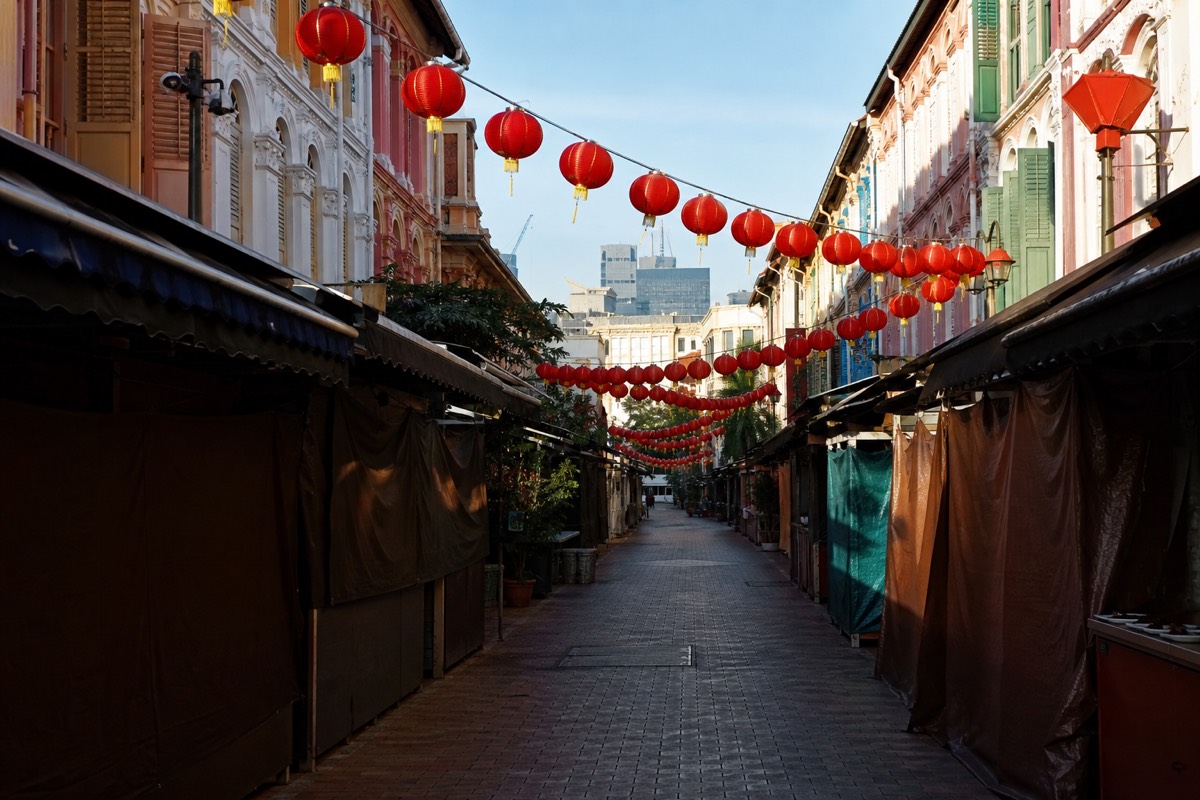
Chinatown shows up on every Singapore itinerary, which is exactly why it is worth asking honestly whether it earns the spot or just inherits it from habit. The short version: yes, but it rewards visiting with a plan more than most neighbourhoods in the city.
Is Chinatown actually worth visiting, or is it just a tourist strip now?
Chinatown is worth visiting because its heritage core is genuinely real, a National Monument Hindu temple, a five-storey Buddhist temple, and blocks of restored early-1900s shophouses, but the main pedestrian streets do get heavily touristy at midday, so it rewards going with some intent rather than wandering in blind. Treat it as two different neighbourhoods layered on top of each other: a heritage district with real depth, and a souvenir-and-selfie strip that gets loud for a few hours a day. Knowing which one you are walking into changes how much you enjoy it.
What heritage is actually there, beyond the souvenir stalls?
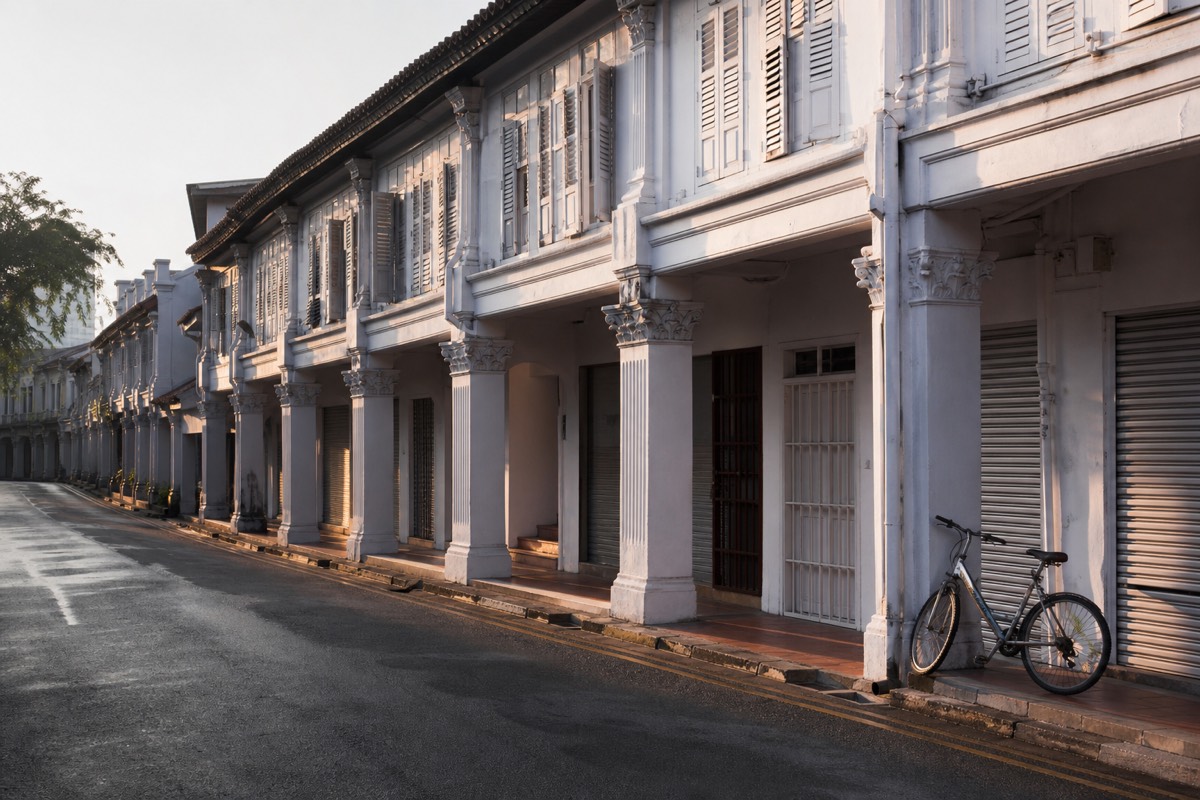
The shophouse rows along Ann Siang Hill, Club Street and Erskine Road survived Singapore's mid-century redevelopment largely intact and have since been restored rather than replaced, which is why the district still reads as a coherent streetscape instead of a scattered handful of preserved buildings. Kreta Ayer, the older residential heart of Chinatown, still has a working wet market and community feel a few minutes' walk from the tourist-facing main strip, and it is where most of the neighbourhood's actual daily life happens.
What about the street markets along Pagoda and Trengganu Street?
Pagoda Street and Trengganu Street's stalls are a mixed bag: real trades like traditional medicine shops and tailors still operate alongside the more predictable fridge magnets and printed t-shirts, so treat them as a browse rather than the main reason to visit. The buildings themselves are the more interesting part, the shophouse facades along both streets are original or carefully restored, with the kind of ornate five-foot-way details that get flattened out in most cities' modern redevelopment. Walk the streets for the architecture and treat any souvenir purchase as a bonus rather than the point of the trip.
The two temples worth building a stop around
Buddha Tooth Relic Temple and Sri Mariamman Temple sit close enough together to visit both in one stop, and each is a legitimate historical site rather than a photo prop. Buddha Tooth Relic Temple rises five storeys above South Bridge Road in a design based on Tang dynasty Buddhist architecture, with the relic itself housed in a stupa on the fourth-floor prayer hall. Sri Mariamman Temple, a short walk away, is Singapore's oldest Hindu temple, built in 1827 and gazetted a National Monument in 1973, with an elaborately sculpted gopuram entrance that is one of the most photographed details in the district. That a Hindu temple sits at the heart of "Chinatown" is not an accident, it reflects how mixed Singapore's early immigrant settlement actually was, long before the neighbourhood names hardened into their current form. Both temples are free to enter, and modest dress is expected as at any active place of worship.
Buddha Tooth Relic Temple's history and current visiting details are documented by the National Library Board, a useful primary source if you want the full backstory before you go.
Is the food side of Chinatown worth it too?
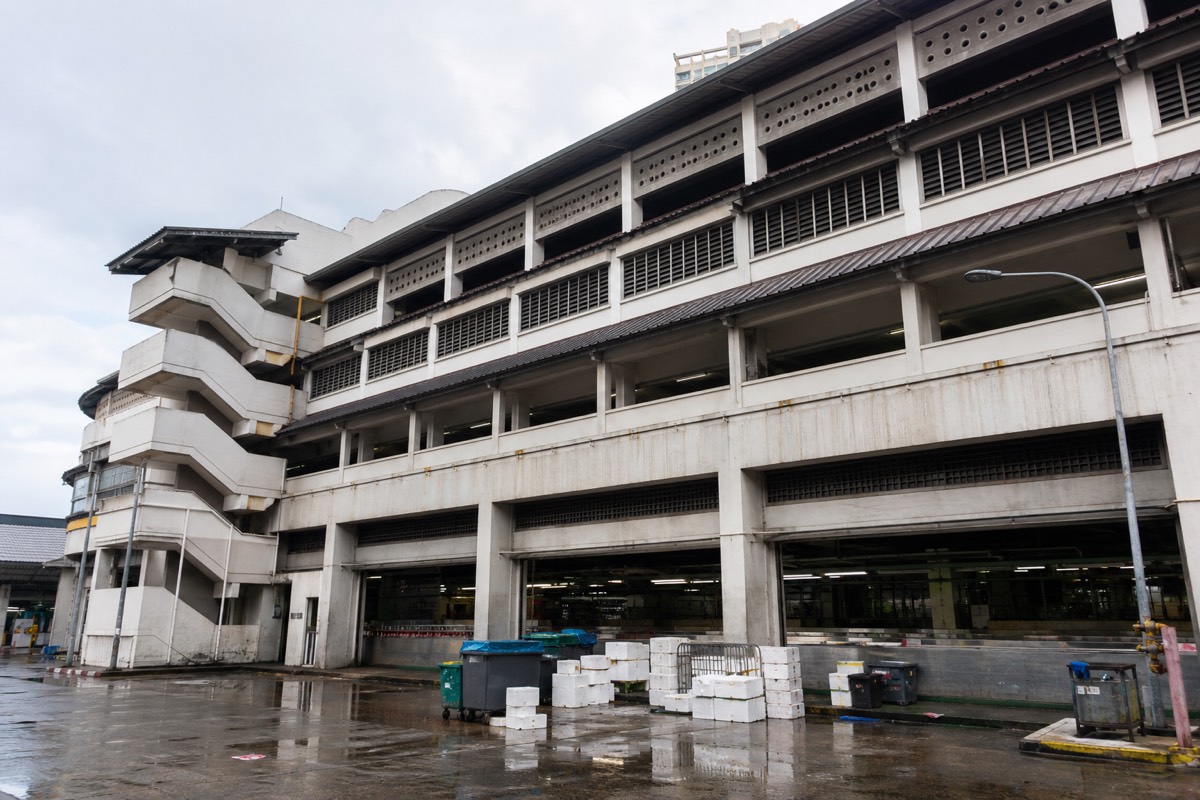
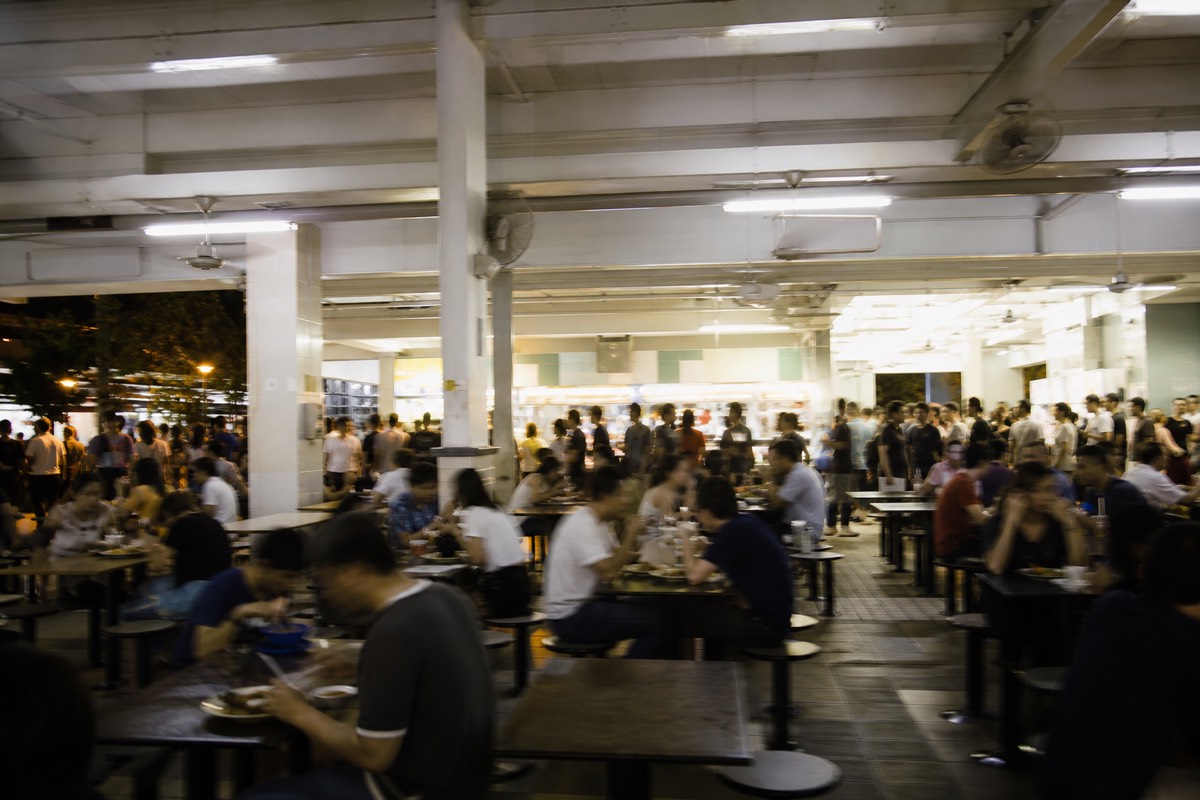
Yes, and it is arguably the strongest reason to linger rather than rush through. Chinatown Complex Food Centre, Singapore's largest hawker centre, sits right inside the district and reopened in 2026 after a full renovation, and it is also home to the stall that made hawker history by winning the world's first Michelin star for street food. A short walk away, Maxwell Food Centre covers the same neighbourhood from the other side, and both feature stalls documented in our guide to Michelin Bib Gourmand hawker food if you want to eat with a specific target list rather than just wandering the stalls. If you are trying to decide between Chinatown's food centre and every other option in the city, our piece on Singapore's most famous hawker centre puts the main contenders side by side.
When should you actually go, to dodge the crowds?
Early morning, roughly 8 to 10am, is the quietest window for Chinatown's temples and shophouse streets, while late morning through mid-afternoon is when tour groups and the main pedestrian strip peak. Evenings shift the mood again: the food centres get busy with dinner crowds and the neighbourhood takes on a livelier, more local energy than the daytime souvenir rush. If photos of the shophouses without a crowd in frame matter to you, mornings are close to essential. If you are there mainly for food, evening is when the hawker stalls hit their stride.
How much time should you actually budget for Chinatown?
A focused half day covers both temples, a walk through the shophouse streets, and one proper hawker meal without feeling rushed. A full day makes sense if you are pairing that with a deeper stop at Chinatown Complex specifically, or joining a guided walk that folds in Chinatown alongside neighbouring districts like Little India or Kampong Glam for a fuller cultural comparison in a single outing. Either way, budget the extra twenty minutes to actually sit down for a meal rather than snacking on the move, since the food is a genuine part of what makes the neighbourhood worth the trip and not just a backdrop for the temples and shophouses.