Chinatown Complex Food Centre: What to Eat & Visitor Guide (2026)
Stall 02-126 still pulls a line most mornings, a decade after the cook behind it became the first hawker in the world to hold a Michelin star. Chinatown Complex closed for renovation in March 2026 and has been back open, and busy, since the end of May.
Stall 02-126 at Chinatown Complex still pulls a line most mornings, a decade after the cook behind it became the first hawker in the world to hold a Michelin star. The centre around it, roughly 260 cooked-food stalls spread over two levels on Smith Street, spent March through May 2026 closed for a renovation. It has been open and running normally since 31 May, with a few real upgrades to show for the downtime.
This guide covers what changed, what to eat, how the place is laid out, and the practical details, hours, MRT, parking, that first-time visitors ask about most.
Chinatown Complex, 1983 to today
Dates and events are drawn from Singapore's National Heritage Board, Mothership, CNN and UNESCO reporting cited in this guide; figures are approximate where noted.
What Is Chinatown Complex Food Centre?
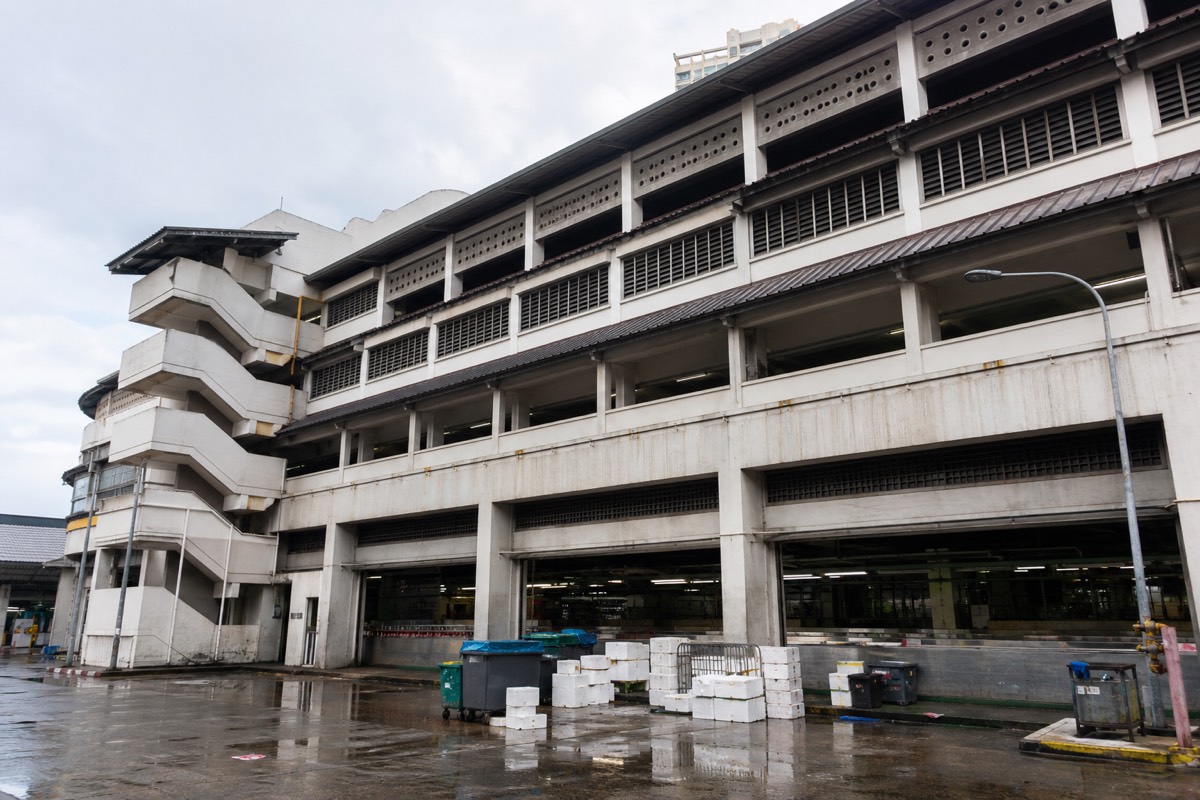
Chinatown Complex Food Centre is Singapore's largest hawker centre, a two-level building on Smith Street with a wet market on the lower level and roughly 260 cooked-food stalls above it, built in 1983 to move street hawkers off the surrounding lanes and indoors. The building started life as the Kreta Ayer Complex, part of a broader push to formalise Chinatown's hawker trade, and was renamed Chinatown Complex the following year. A major upgrade in the mid-2000s expanded the site further, and by the time it reopened in 2008 the complex counted more than 700 stalls and shops once the wet market and retail units are added to the cooked-food count.
It sits a short walk from the more photogenic Chinatown Street Market on Pagoda Street, but the two are different things: the street market sells souvenirs and trinkets under red lanterns, while Chinatown Complex is where locals and hawkers actually eat and shop for groceries. Alongside cooked-food stalls, the upper level also holds drink counters, dessert stalls and dry provision shops, a mix typical of hawker centres built in this era. Anyone comparing it against how the major hawker centres stack up against each other will find Chinatown Complex is consistently the largest by stall count, if not always the easiest to navigate on a first visit.
| Detail | Information |
|---|---|
| Address | 335 Smith Street, Singapore 050335 |
| Nearest MRT | Chinatown (NE4/DT19), Exit A |
| Opening hours | Roughly 7am to 10pm daily (individual stalls vary) |
| Cooked-food stalls | Around 260 |
| Levels | Wet market below, hawker stalls above |
| Year opened | 1983 (as Kreta Ayer Complex) |
Is Chinatown Complex Food Centre Open Right Now?
Yes: Chinatown Complex Food Centre is open and operating normally as of August 2026, after closing in March 2026 for a three-month renovation and reopening on 31 May 2026. The closure was billed as an "R&R Plus" upgrade, more extensive than the routine repairs-and-redecoration cycle Singapore's hawker centres go through every few years, and it was overseen by a task force pulling in Chinatown's Member of Parliament alongside the Housing and Development Board and the National Environment Agency.
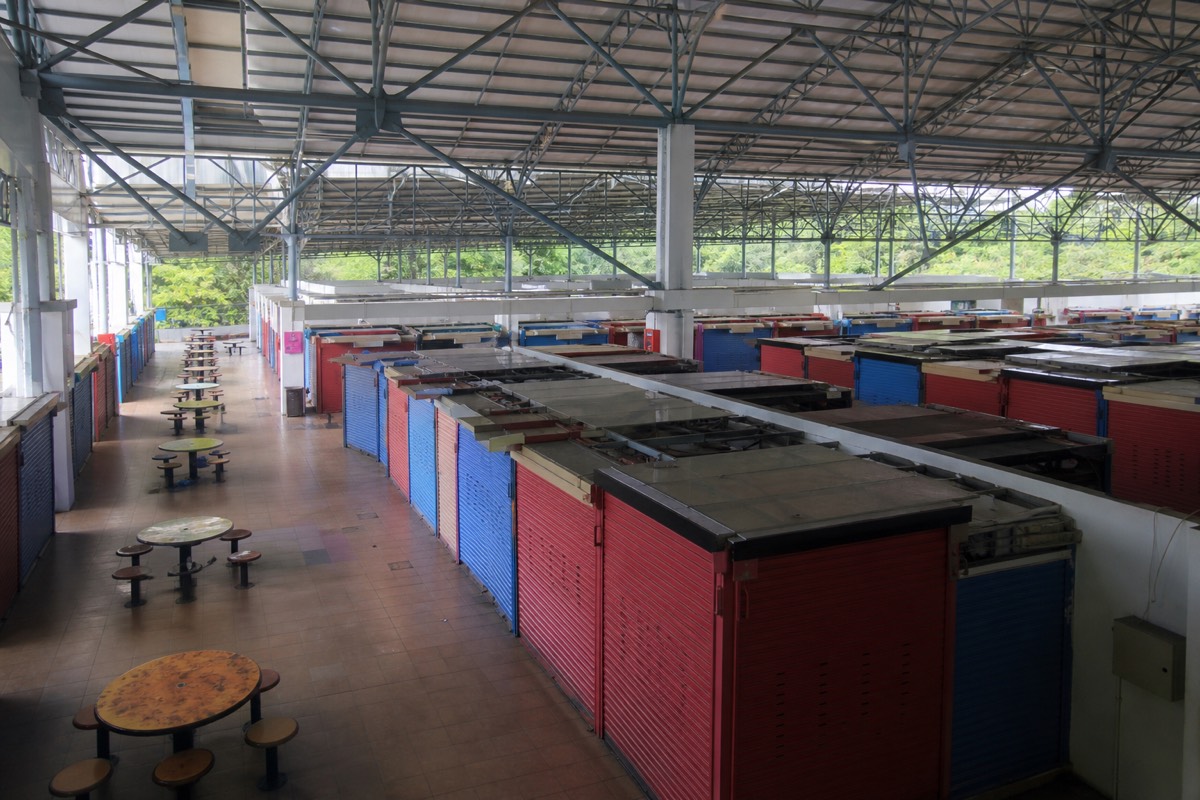
The work added more lifts, a real complaint at a building this size when the wet market sits on a different level from the food stalls, plus better lighting, high-velocity fans to move air through the dining hall, and clearer signage. None of that reads as a dramatic redesign, stallholders and their setups are unchanged, but regulars who visited before and after the closure have noted the centre feels brighter and easier to move through, especially around lunchtime when every table fills up. Coverage ahead of the works confirmed the 31 May reopening date and ran through what regulars said they would miss during the three months away, from specific stalls to the simple ritual of a Saturday morning market run. Anyone still weighing whether the wider Chinatown district is worth a visit can take the food centre's reopening as one more reason it is.
It is also worth being specific about what "closed" meant in practice. The closure affected the cooked-food stalls and the building's shared facilities, the lifts, toilets and dining hall that every stallholder relies on, rather than being a partial or staggered shutdown. Regular customers had to find another hawker centre for those three months, which is part of why the reopening got real local news coverage rather than passing quietly.
Chinatown Complex closed in March 2026 and reopened 31 May 2026. As of this writing in August 2026 it has been operating normally for roughly two and a half months, with no further closures scheduled.
Periodic closures like this are normal across Singapore's hawker centre network, which the NEA manages on a rolling repairs-and-redecoration schedule, so a short closure years from now would not be unusual either. If you are reading this well after August 2026 and want to double check nothing has changed since, the centre's own signage and NEA's hawker centre listings are the fastest way to confirm current hours before you make the trip.
| What | Detail |
|---|---|
| Closed | March 2026 |
| Reopened | 31 May 2026 |
| Renovation name | "R&R Plus" (beyond standard repairs and redecoration) |
| Key upgrades | More lifts, improved lighting, high-velocity fans, clearer signage |
| Overseen by | A task force including HDB and NEA |
Finding Your Way Around: Is There a Stall Directory?
There is no single official app-based directory for Chinatown Complex the way some newer Singapore hawker centres have; the most reliable tools are the numbered stall directory boards posted at the entrances and a first, unhurried lap of the floor before ordering anything. Stalls are numbered in blocks rather than grouped by cuisine, so a printed or posted directory tells you where a specific stall number sits, but it will not necessarily group noodle stalls or dessert stalls together in one place.
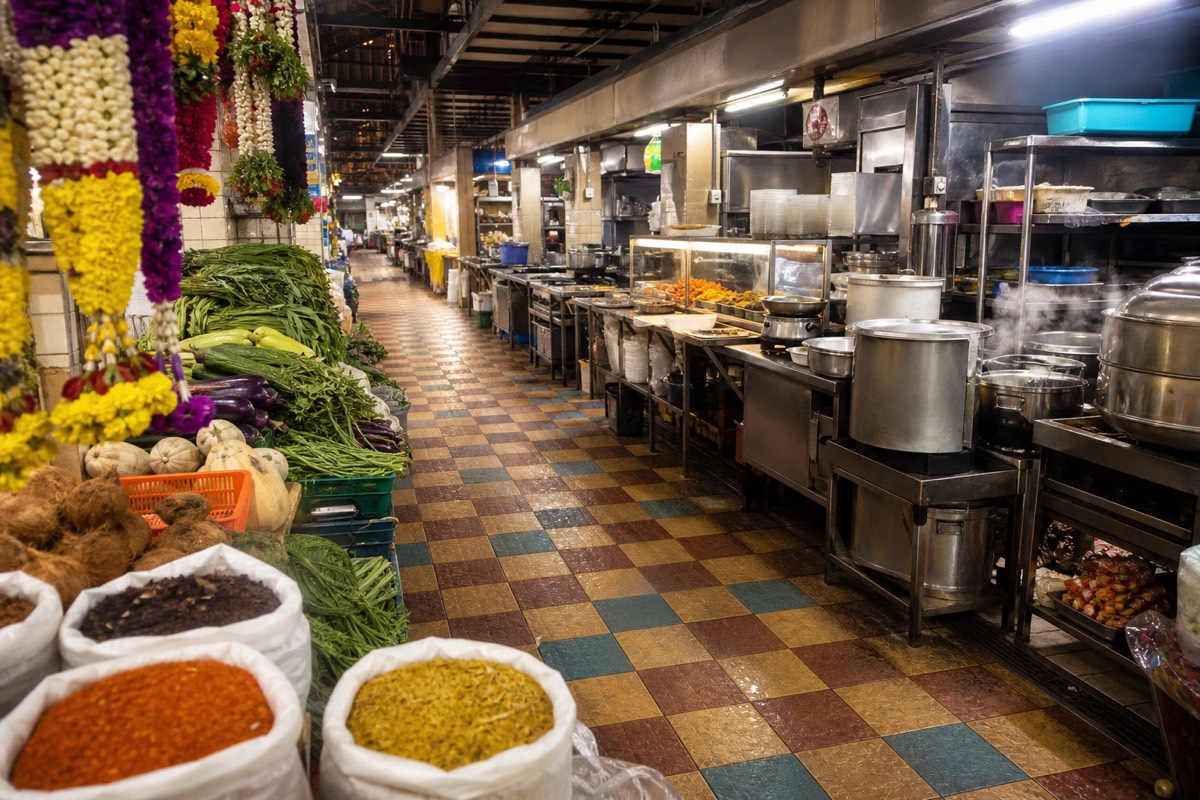
A practical approach regulars use: walk the full loop of the upper level once, noting which stalls have the longest queues, often a decent proxy for quality though not always, and which have empty seats nearby, then double back to order once you have a sense of the layout. The renovation's improved signage makes this faster than it used to be, but the centre is still large enough, around 260 cooked-food stalls, that hunting for one specific stall number from a blog post without a general sense of the floor plan can take longer than expected on a first visit.
The World's First Hawker Michelin Star: Liao Fan Hawker Chan's Story
Liao Fan Hawker Chan, run by chef Chan Hon Meng out of unit 02-126, became the world's first hawker stall to win a Michelin star in 2016, a genuine milestone for street food that put Chinatown Complex on the global food map. The soy sauce chicken rice and noodle stall was, for a while, the cheapest Michelin-starred meal on the planet, and international press coverage sent tourists queueing alongside regulars who had been eating there for years.
The story has a second act worth knowing before you go looking for the stall today. Chan expanded the brand into a chain, renamed Hawker Chan, with outlets across Singapore and internationally, and the original stall lost its Michelin star in the 2021 guide, according to CNN's reporting on the change. That does not mean the food disappeared or the queue did, the original Chinatown Complex stall kept its following, but it is worth knowing you will not find a Michelin star sticker on the stall itself anymore. Anyone building a food itinerary around Singapore's current Michelin Bib Gourmand hawker stalls should look elsewhere in the complex for what still carries recognition today: Xiu Ji Ikan Bilis Yong Tau Fu, a Hakka-style stuffed tofu stall at #02-87/88, held a Bib Gourmand in the Michelin Guide's 2026 selection.
The stall's rise and partial fall mirrors a bigger story that gives Chinatown Complex extra weight beyond any single stall. Singapore's hawker culture as a whole was inscribed on UNESCO's Representative List of the Intangible Cultural Heritage of Humanity in December 2020, the country's first entry on that list, a recognition of hawker centres as a shared communal dining tradition rather than any one restaurant's cooking. Chinatown Complex, as the largest of these centres, sits close to the centre of that story, and its stall count alone makes it a natural place to see what UNESCO was actually recognising.
| Stall | Recognition | Known for |
|---|---|---|
| Liao Fan Hawker Chan (02-126) | Michelin star 2016 to 2021, no longer held | Soy sauce chicken rice and noodles |
| Xiu Ji Ikan Bilis Yong Tau Fu (02-87/88) | Michelin Bib Gourmand, 2026 selection | Hakka-style stuffed yong tau fu |
What to Eat at Chinatown Complex
Beyond the Michelin names, Chinatown Complex is worth visiting for the sheer range of Cantonese, Teochew and Hokkien-style hawker food packed into one building, from claypot rice cooked over charcoal to prawn noodles and old-school desserts that are getting harder to find elsewhere in Singapore. Because the centre is so large, it rewards a bit of a wander rather than a beeline for one stall; plenty of visitors end up trying two or three dishes across separate stalls in a single visit, which the food centre's layout actually makes easy once you have a rough sense of where things are.
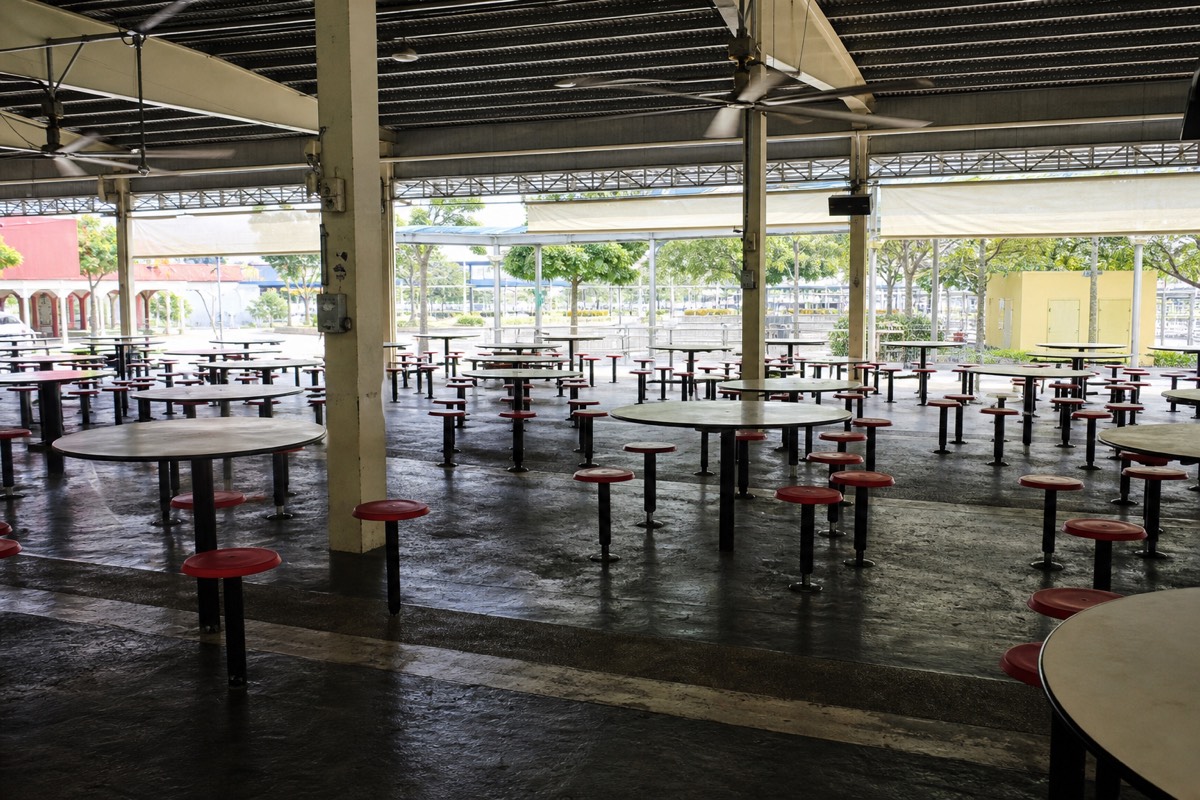
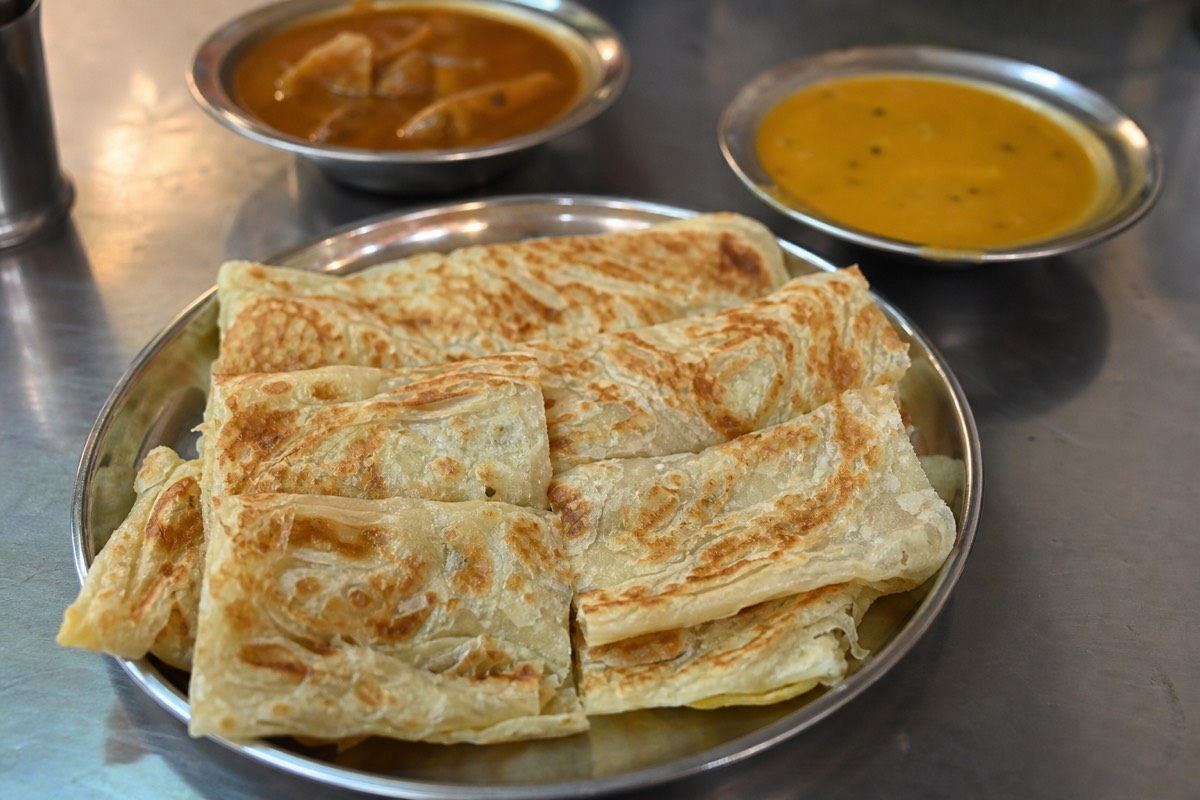
Two dishes worth calling out specifically because they are broader Singapore icons, not just Chinatown Complex specialties: Hainanese chicken rice, Singapore's de facto national dish, shows up at several stalls in the complex beyond Hawker Chan's version, and char kway teow, the smoky wok-fried noodle dish cooked over high heat with dark soy, cockles and Chinese sausage, has multiple long-running stalls here too. Claypot rice, cooked to order with a charred rice crust at the bottom, is a Chinatown Complex specialty that takes longer to prepare than most hawker orders, budget 15 to 20 minutes if a stall is doing it fresh.
Prices at Chinatown Complex sit at the ordinary end of Singapore hawker pricing, generally cheaper than tourist-facing centres and in the same range as Maxwell. A plate of noodles or a rice dish tends to run a few dollars, chicken rice and char kway teow on the lower end, claypot rice and larger seafood-based orders somewhat more, though exact prices change often enough that checking the stall's own signage on the day is more reliable than any number printed in a guide. Cash remains the safest default, though a growing number of stalls now take PayNow and card payment as well, a shift that picked up pace across Singapore's hawker centres after 2020.
Dessert and drink stalls round out the centre. Old-school options like chin chow (grass jelly) drinks, bo bo cha cha and traditional Chinese sweet soups turn up at several stalls, a useful cooldown after a plate of char kway teow or claypot rice on a hot day. Roast meat stalls selling char siu and roast duck over rice are another Cantonese-hawker staple here, distinct from the soy sauce chicken that made Hawker Chan famous but drawing on the same broader Cantonese roasting tradition that runs through much of Chinatown's food history.
| Dish | What it is | What to expect |
|---|---|---|
| Claypot rice | Rice cooked to order in a clay pot over charcoal or gas | A short wait, and a crisp caramelised layer at the bottom |
| Soy sauce chicken rice | Poached chicken with a soy-based sauce, over rice | Hawker Chan's version at 02-126 started the whole story |
| Prawn mee | Noodles in a prawn-shell stock, with pork and prawns | A rich, orange-tinted broth, best eaten hot |
| Char kway teow | Flat rice noodles wok-fried with dark soy and cockles | Look for visible wok char on the noodles |
| Yong tau fu | Stuffed tofu and vegetables in broth or dry-tossed | Xiu Ji's version carries a 2026 Bib Gourmand |
| Roast meats | Char siu and roast duck over rice | A Cantonese-hawker staple, several stalls to compare |
How the Centre Is Laid Out
Chinatown Complex splits roughly into a ground-floor wet market, where fishmongers, butchers and produce sellers operate mostly in the mornings, and an upper level of cooked-food stalls organised into numbered blocks, with the upper level generally easier to find your way around since the 2026 renovation's improved signage. First-timers sometimes assume "Chinatown Complex" refers only to the food centre; in fact the wet market below does the bulk of its trade before 9am and is worth a look even if you are not buying groceries, for a sense of how much produce moves through Chinatown in a single morning.
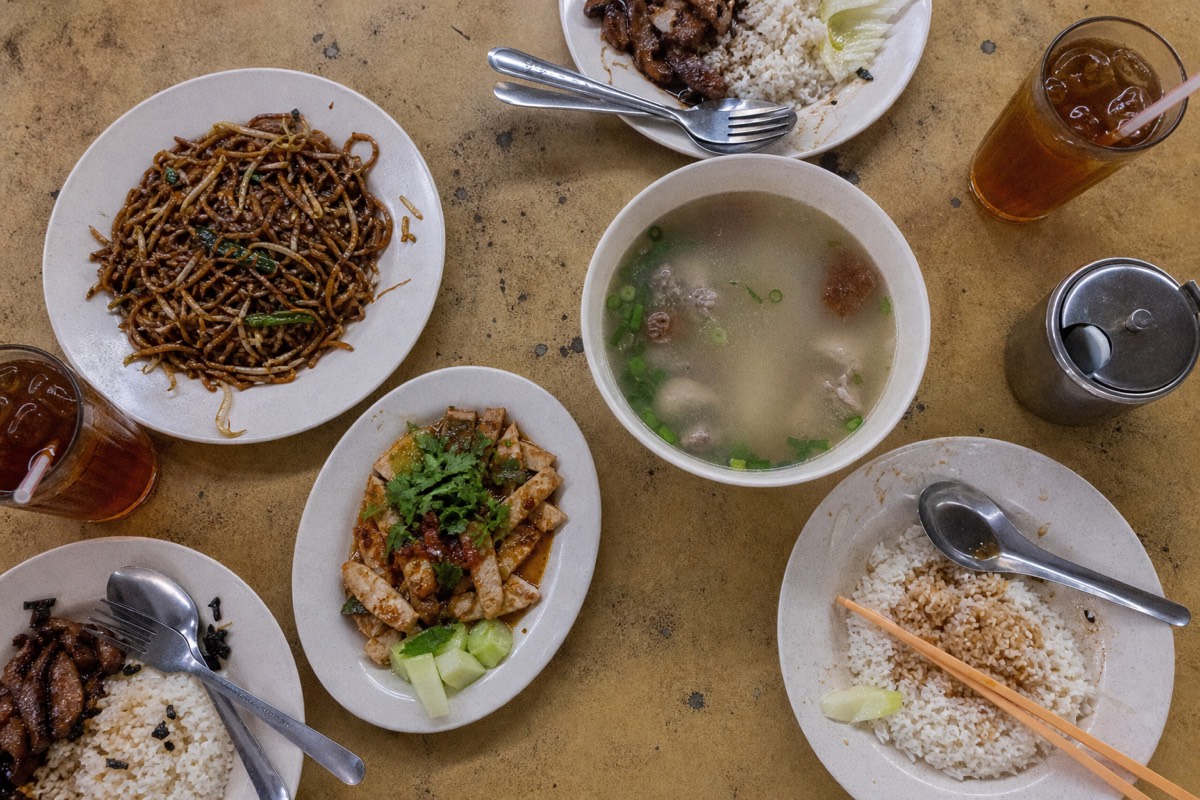
On the food centre level, stalls are numbered rather than laid out by cuisine, so a stall selling desserts might sit next to one selling roast meats. That is normal for a hawker centre this size, and part of the reason many visitors do a slow first lap before ordering anything, reading stall signs and queue lengths as a rough guide to what is good that day. The wet market itself deserves a mention beyond "worth a look": it supplies not just households but some of the food centre's own stalls, several of which buy fresh ingredients from vendors one floor down each morning, part of why produce at Chinatown Complex's cooked stalls tends to turn over quickly rather than sitting around for days.
The extra lifts added in the renovation matter here specifically. Getting a stroller, wheelchair or a trolley of market shopping between levels was a genuine friction point before 2026, and the upgrade addressed it directly. For a sense of how this compares to other centres nearby, three more hawker centres worth a detour, including one that runs a similar wet-market-plus-hawker-stalls format in Little India, are covered separately.
| Level | What's there | Busiest time |
|---|---|---|
| Ground floor | Wet market: fish, meat, produce, dry goods | Before 9am |
| Upper level | Cooked-food stalls, numbered blocks | Lunch, 12pm to 1:30pm |
Getting There: MRT, Bus and Parking
The fastest way to Chinatown Complex is the MRT: get off at Chinatown station (NE4 on the North East Line, DT19 on the Downtown Line), take Exit A, and walk along Pagoda Street before turning onto Smith Street, a five to seven minute walk in total. The building itself is at 335 Smith Street, in the heart of the Chinatown conservation district, so it is easy to combine with a walk through the surrounding shophouse streets before or after eating.
Driving is possible but not the easiest option. On-site parking at Chinatown Complex is limited, and it fills up fast around mealtimes, so most visitors who drive park at one of the public car parks along Temple Street or Mosque Street nearby and walk the rest of the way. Bus routes running along New Bridge Road and South Bridge Road also stop within a short walk, useful if you are coming from elsewhere in the Central Business District without wanting to change MRT lines. Taxis and ride-hail services can drop off directly on Smith Street, though the street itself is narrow and partially pedestrianised in the evenings, so a short walk from where a car can actually stop is common after dark.
| Mode | Details |
|---|---|
| MRT | Chinatown (NE4/DT19), Exit A, then a 5-7 minute walk |
| Bus | Multiple routes along New Bridge Road and South Bridge Road |
| Driving | Limited on-site parking; try Temple Street or Mosque Street car parks nearby |
| Taxi or ride-hail | Drop-off on Smith Street; expect a short walk in the evening |
Best Times to Visit
Early morning, before 9am, is the quietest time to see both the wet market and the food centre before the lunch rush; the single busiest window is 12pm to 1:30pm on weekdays, when office workers from the surrounding Central Business District arrive for lunch and queues at the well-known stalls stretch out. Weekday mid-afternoon, roughly 2:30pm to 5pm, is a reasonable middle ground if you want a hot meal without a long wait, though some stalls close between the lunch and dinner service or sell out of popular items entirely by then.
Weekends bring a different crowd: more families and out-of-town visitors, generally spread across a longer window rather than concentrated at noon, but the centre can still feel packed by early afternoon. If your main goal is seeing Hawker Chan's original stall without standing in the longest version of its queue, arriving right at opening or in the mid-afternoon lull tends to work better than showing up at 12:30pm on a weekday.
There has also been a short-term effect from the 2026 renovation itself. Regular customers who were displaced during Chinatown Complex's closure sent some of their usual business to Maxwell and Lau Pa Sat for three months, and it took a few weeks after the 31 May reopening for normal crowd patterns to settle back in. By August, the usual rhythms, quiet mornings, packed weekday lunches, are back to what they were before the renovation.
| Goal | Best time to go |
|---|---|
| See the wet market | Before 9am |
| Shortest queues overall | Weekday mid-afternoon, 2:30-5pm |
| Avoid | Weekday lunch, 12-1:30pm, if you dislike queues |
Tips for a First Visit
Bring cash even though many stalls now take PayNow or card, expect to share a table during peak hours, and follow the basic rule of Singapore hawker culture: a packet of tissues left on a seat means it is taken, known locally as "choping" a table. Tray return is not optional either; since 2021 it has been a legal requirement at hawker centres across Singapore, with designated return points on the food centre level at Chinatown Complex, and staff or fellow diners will sometimes remind you if you forget.
Hygiene ratings, displayed as letter grades from A to D on placards at each stall, are a genuine NEA system worth glancing at if you are choosing between two similar stalls and cannot decide. It is not a substitute for common sense, a lower grade does not always mean bad food and a top grade does not guarantee a good dish, but it is real, government-run information sitting right there on the stall front.
If this is your first hawker centre in Singapore rather than just your first visit to Chinatown Complex specifically, it is worth reading the unwritten rules of hawker centre etiquette before you go, chope culture and tray return chief among them, plus a broader first-timer's guide to ordering hawker food if the sheer number of stalls feels overwhelming. Neither takes long to read and both will save you some confusion on the ground.
One last practical note: air conditioning is not standard at Chinatown Complex, ceiling fans and, since the 2026 upgrade, additional high-velocity fans keep the dining hall moving, but it still runs warm during the midday heat. Dressing light and picking a table near one of the larger fan units, usually easy to spot, makes a longer meal more comfortable, especially if you are visiting straight after a morning of walking around Chinatown's temples and shophouse streets.