What Is the Secret to a Good Laksa?
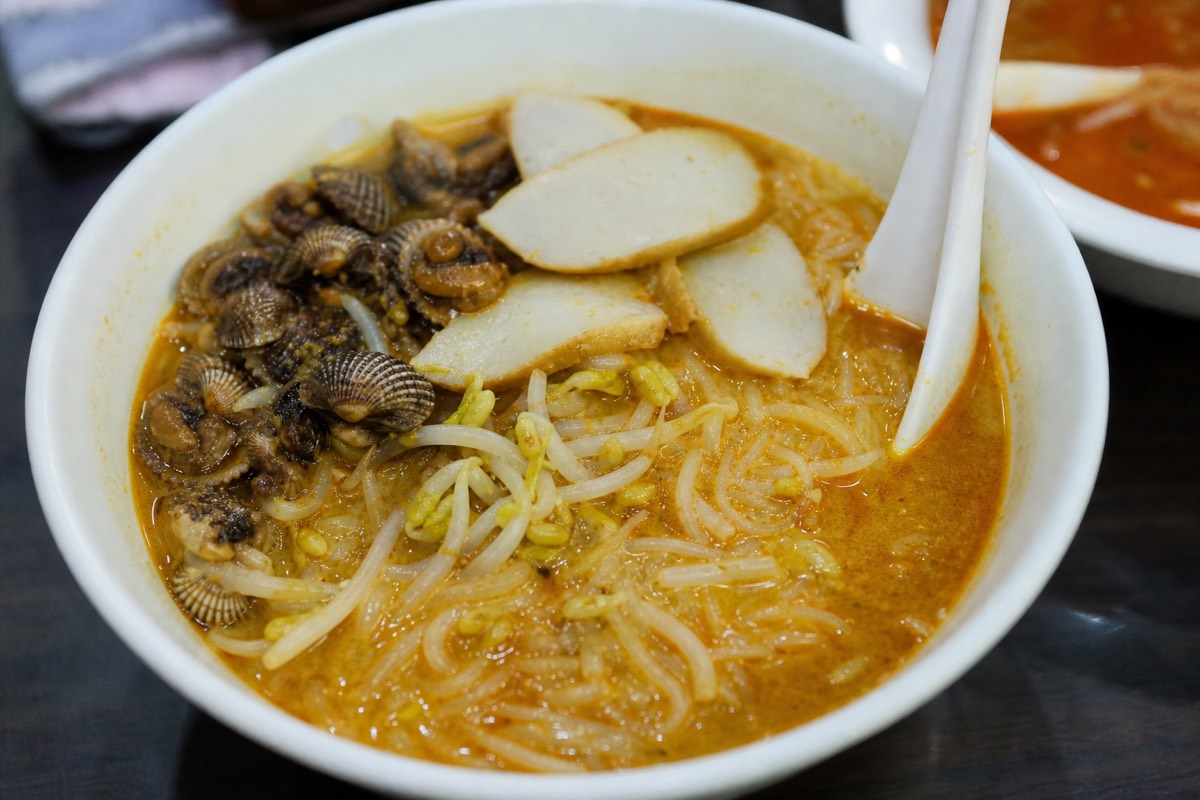
Two bowls of laksa can look almost identical: same orange broth, same scatter of cockles, same cut noodles, and taste nothing alike. The difference isn't luck.

Two bowls of laksa can look almost identical: same orange broth, same scatter of cockles, same cut noodles. One is rich and layered. The other tastes like coconut soup with chilli powder stirred in. The difference isn't luck.
What Actually Makes One Bowl of Laksa Better Than Another?
The gap between a forgettable laksa and a great one almost always comes down to the rempah, the spice paste of chilli, shallot, garlic, galangal, turmeric and dried shrimp that gets pounded or blended and then slow-cooked in oil until it darkens and the oil visibly separates from the solids. That cooking step matters more than any single ingredient on the list: an underdone paste tastes raw, sharp and thin no matter how much coconut milk gets poured in afterward, while a properly cooked rempah, fifteen minutes or more over a gentle flame, turns fragrant and deep before the broth even starts. The best stalls tend to make their rempah fresh, often daily, rather than leaning on a pre-made paste bought in bulk; a fresh batch tastes brighter and more layered, while a reused or store-bought paste tends to taste one-note no matter how it's seasoned afterward. Spice level varies stall to stall too, since some recipes lean sweeter and milder and others build serious chilli heat; neither is more correct, it comes down to what a given kitchen has always made. The best test is simple: taste the broth on its own, before the noodles and toppings go in, since a rempah that's cooked properly should already taste complete rather than needing the rest of the bowl to prop it up.
How Much Does the Coconut Milk Matter?
Coconut milk needs to be full-fat, added after the rempah is properly cooked, and simmered gently rather than boiled hard, because a good laksa gravy should be thick enough to coat the noodles without turning heavy or greasy. Stalls that skimp on coconut milk, or boil it too aggressively once it's in the pot, tend to serve a thin, oily broth that reads more like a spiced soup than a proper laksa. Traditionally, the coconut milk itself was hand-squeezed from grated coconut and water rather than poured from a carton, per the National Library Board's account of the dish, though virtually every stall today uses ready-made coconut milk instead. Dried shrimp, ground into the rempah itself rather than sprinkled on top, is another ingredient that separates the good stalls from the average ones: it adds a savoury depth that chilli and coconut milk can't produce on their own. The stock underneath the coconut milk matters just as much: laksa built on a proper prawn-shell or chicken stock has a savoury backbone that a broth made from plain water and coconut milk alone can't fake, no matter how much chilli goes into the rempah.
Why Are the Noodles Cut Into Short Pieces?
Singapore's Katong-style laksa is traditionally served with thick rice vermicelli cut into short lengths, so the entire bowl, noodles, broth and toppings together, can be eaten with a spoon alone, a habit that traces to hawkers like the vendor behind Janggut Laksa in 1950s Katong. It's a genuinely practical bit of food design, not just a quirk. Elsewhere in the region, laksa is eaten with chopsticks and a spoon together; National Geographic's coverage of the dish notes that some purists consider teasing the noodles onto chopsticks first, then wriggling them onto a spoon, the more traditional way to eat it, since chopped noodles can mute how the broth and noodles interact in the mouth. Either way, the short-cut version is what most visitors get by default at a Katong-style stall. Temperature matters here too: laksa is meant to arrive close to boiling, since the noodles and cockles cool fast once submerged, and a stall that lets bowls sit before serving is usually handing over a lukewarm, flatter-tasting version of the same broth that just left the pot.
What About the Cockles and Other Toppings?
Fresh cockles, still faintly briny and never rubbery from overcooking, are usually the first thing regulars judge a laksa stall by, alongside a few plump prawns, a slice of fish cake and a scattering of laksa leaf (daun kesum) for the sharp, slightly citrusy top note the broth needs to avoid tasting flat. None of this fixes a weak rempah or a thin broth, but a stall that's careless with its cockles, letting them turn rubbery or serving them gritty, is usually cutting corners elsewhere too. Quantity matters as well: a handful of shrivelled, overcooked cockles scattered thin across the top is a different bowl entirely from a generous, fresh portion folded through the noodles, and it's one of the easiest things to check with a glance before the first spoonful. It's a reasonable way to judge a bowl on sight before it even reaches you, whichever hawker centre you're at. None of this requires insider knowledge to spot: a queue of regulars, a rempah that smells sharp and toasty rather than flat, and a broth that arrives properly hot are three reliable signs before you've even tasted the bowl. A stall that makes its own rempah in full view, rather than ladling from a pre-mixed tub kept out of sight, is usually worth the extra minute in line.

Curious how the Singapore version stacks up against its Malaysian cousins before you go hunting for the best bowl in Katong? Our piece on whether laksa is really Malaysian or Singaporean untangles that, and our full Katong laksa guide covers specific stalls worth trying.