Why Do Singapore's Hawker Centres Close for Cleaning? (And Where to Go Instead)
Turn up at a hawker centre and find the gate down and a notice taped to it, and the trip can feel derailed. It usually is not: the centre is almost certainly just on its scheduled cleaning closure, and there is a real, useful reason for it.
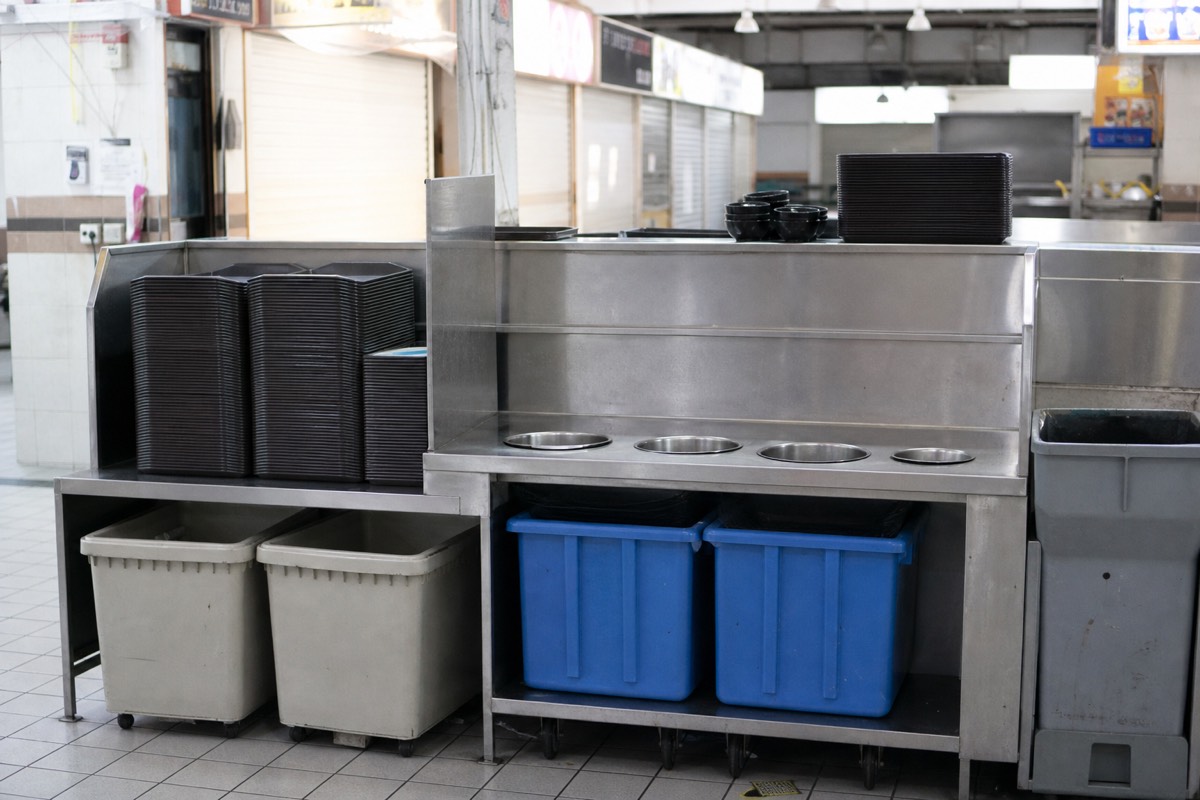
This is common enough that it is worth planning around rather than being surprised by. Singapore's hawker centres are public facilities inspected and maintained on a set schedule, and that schedule occasionally overlaps with someone's one afternoon in the city.
Why do hawker centres close for cleaning at all?
Hawker centres close periodically because deep-cleaning drains, grease traps, floors and toilets is what keeps dozens of open-air food stalls hygienic, and the National Environment Agency and HDB town councils that manage these centres schedule that work rather than leaving it to chance. Centres owned by the Ministry of Sustainability and the Environment are cleaned under NEA's own schedule, while HDB-owned hawker centres are handled by the relevant town council, so the exact cadence can vary slightly from one centre to the next. None of this means a centre is in poor condition, it means the opposite: a well-run centre is one that gets closed for cleaning on schedule, not one that never closes at all. An open-air site with dozens of independent stalls sharing drainage and common seating needs that kind of coordinated deep clean in a way a single restaurant kitchen does not, simply because of how many hands and how much foot traffic pass through a busy hawker centre in an average week.
Is every closure the same kind of closure?
No. Most closures are short "spring cleaning" runs of one to three days for routine deep cleaning, while a smaller number are longer renovation projects that can run for weeks or months. Chinatown Complex Food Centre is the clearest recent example of the second kind: Singapore's largest hawker centre, with roughly 260 cooked-food stalls, closed for a three-month "R&R Plus" renovation that added more lifts, better lighting and stronger ventilation fans, overseen by a joint HDB and NEA task force. It reopened on 31 May 2026 and has been running normally since, so if you are planning a visit now, it is open and freshly upgraded rather than shut.
| Closure type | Typical length | What happens |
|---|---|---|
| Spring cleaning | 1 to 3 days | Floors, drains and toilets deep-cleaned, pest control checks |
| Routine maintenance | A day or two, recurring through the year | General upkeep and hygiene inspection |
| Renovation or upgrade works | Weeks to several months | Structural work: lifts, lighting, ventilation, signage |
What actually happens during a closure?
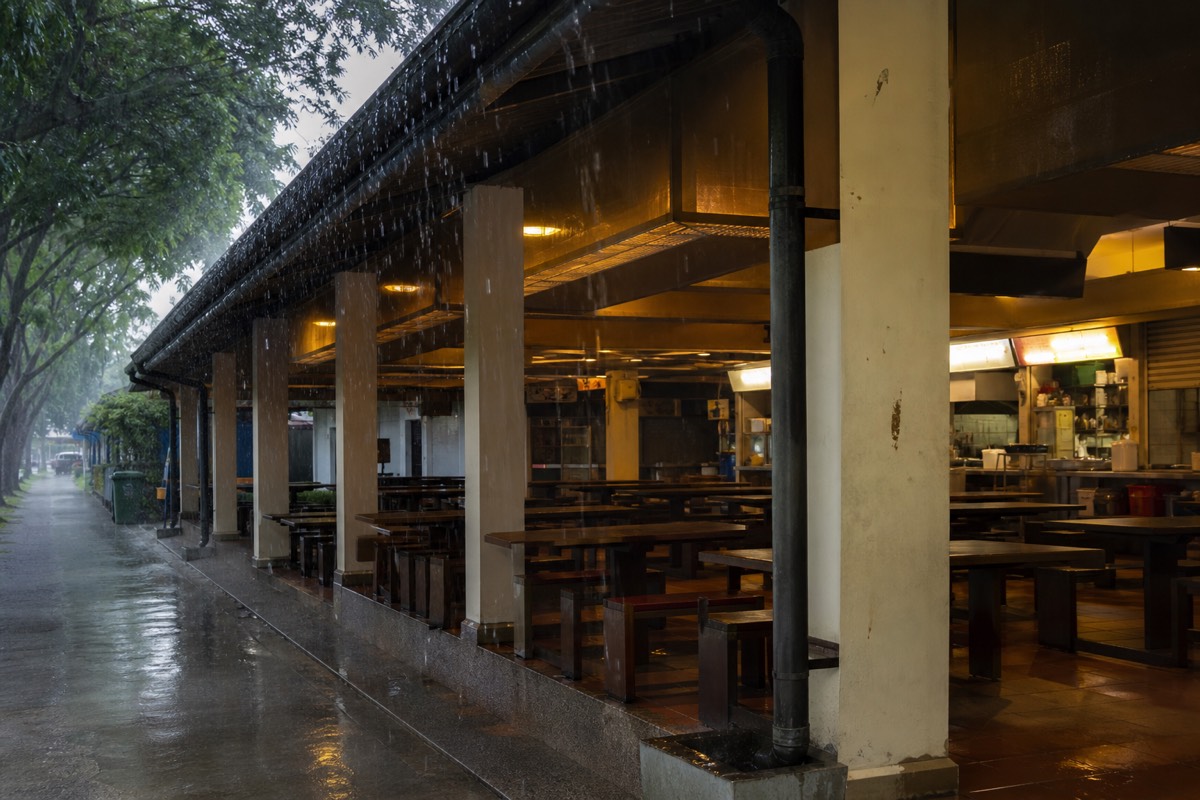
During a spring cleaning closure, the whole centre shuts to the public while cleaning crews flush and disinfect the drainage system, scrub floors and common tables, and clear grease buildup around cooking stations, work that is difficult to do safely with hundreds of diners moving through at the same time. Many individual stall operators use the same window to do their own deeper equipment cleaning, since a full-centre closure is often the only stretch of the year when every stall is shut simultaneously. None of this is a response to a specific problem being found, it is closer to the way a restaurant might close for a single day of deep cleaning on its own schedule, just coordinated across dozens of independent stalls at once rather than left to each one individually.
How do I check if a specific hawker centre is closed before I go?
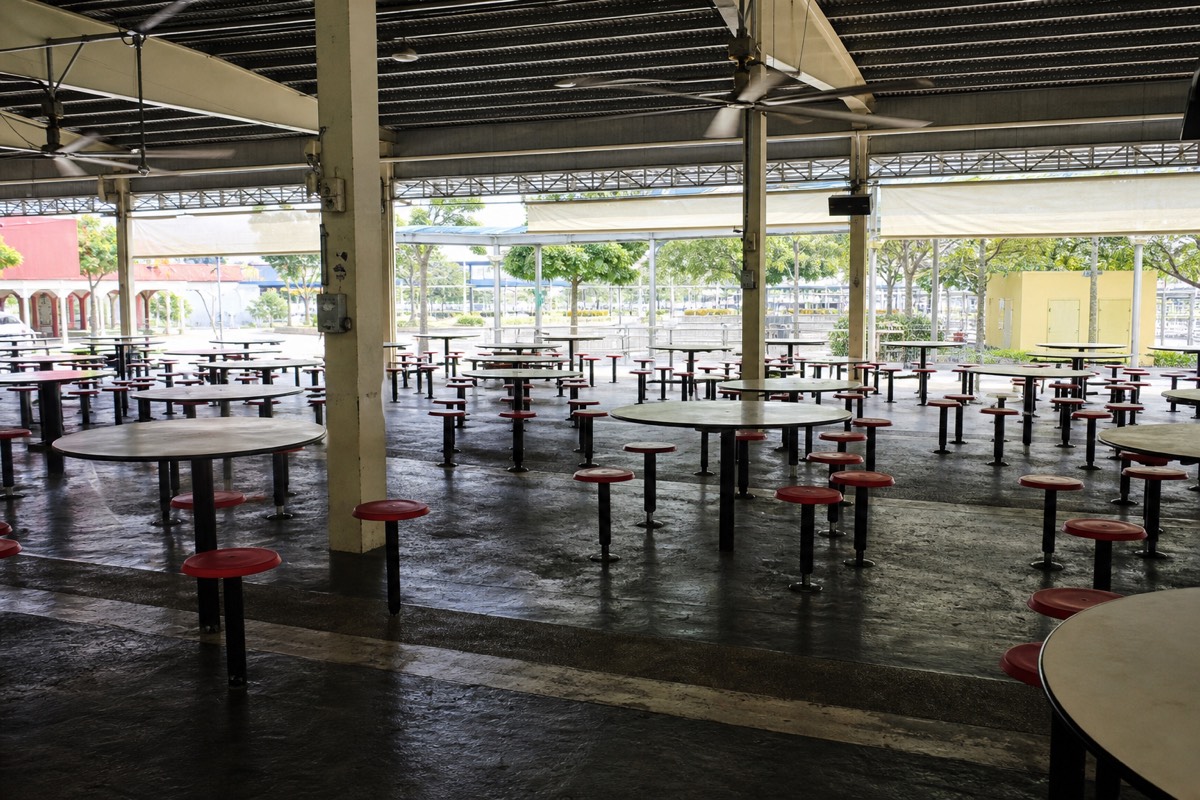
NEA publishes an official, searchable dataset of hawker centre closure dates on Singapore's open data platform, and it is worth a quick check the day before you visit a specific centre. Local press also tracks these closures closely: as of this writing, AsiaOne reported nine hawker centres closing for up to three days across the first half of August 2026 alone, which gives a sense of how often this happens across the roughly 120 centres NEA and HDB manage between them. Closures tend to cluster in certain weeks of the month, so if your trip has any flexibility, checking a couple of days ahead rather than the morning of saves a wasted taxi ride. It is a two-minute check worth building into any hawker-focused day, especially if a single specific centre, rather than hawker food generally, is the whole reason for the trip out.
The official closure list lives on NEA's Dates of Hawker Centres Closure dataset on data.gov.sg, searchable by centre name and date.
Which hawker centres should I go to instead if mine is shut?
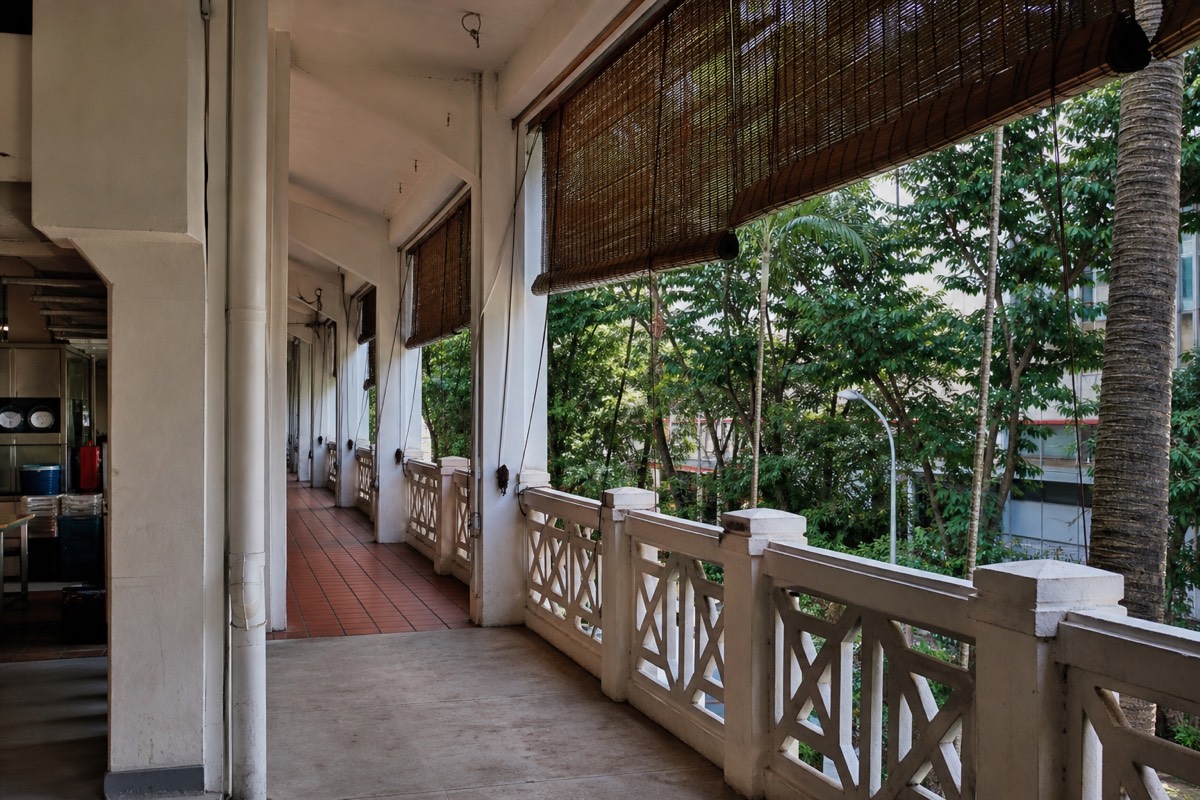
If your planned hawker centre turns out to be closed, Maxwell Food Centre, Lau Pa Sat and Chinatown Complex Food Centre are three reliable, centrally located alternatives that rarely close at the same time. Maxwell Food Centre is compact and easy to reach on foot from the Chinatown MRT exits, Lau Pa Sat is a Victorian-era market building with its own evening satay street that runs regardless of daytime hawker closures elsewhere, and Chinatown Complex is now freshly renovated and back to full capacity. For something further off the main tourist path, Newton, Old Airport Road and Tekka round out a solid backup list, and our broader guide to the best hawker centres in Singapore covers all of them side by side if you want a full comparison before committing to a plan B.
Whichever alternative you pick, the basics of ordering and finding a seat are the same everywhere, and a quick read of our hawker centre etiquette guide before you go covers chope culture and tray return so a last-minute change of plan does not also mean fumbling the unwritten rules on top of it.