Chili Crab in Singapore: What It Is, Where to Try It, What It Costs
Chili crab is the one Singapore dish tourists actively hunt down, and it's also the one most likely to blow a hole in a food budget if you order it without asking a question first: how much does the crab actually weigh, and what's the rate per 100 grams? Get that answer before it hits the wok, and the dish is one of the best meals you'll have in the country.
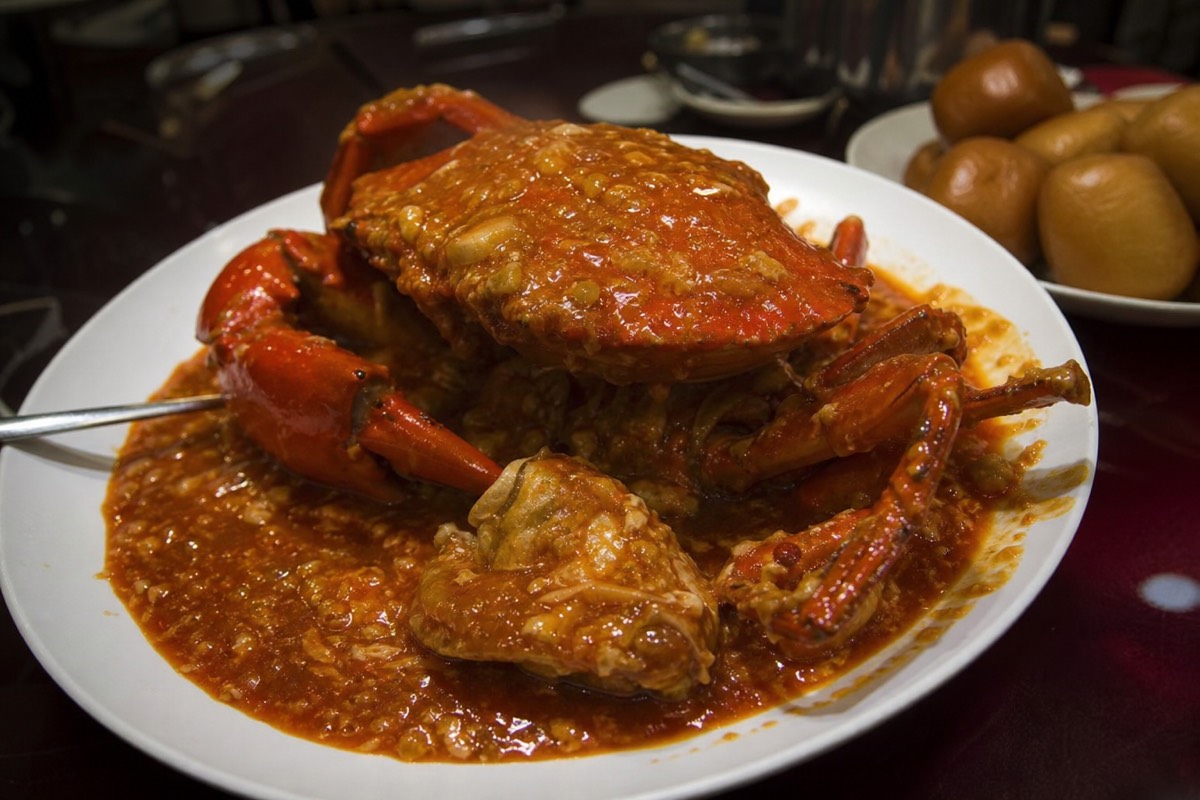
Chili crab shows up on nearly every "must eat in Singapore" list, and unlike a lot of dishes that get that label, it earns it. It's also one of the few Singapore dishes with a documented single inventor and a known invention date, and one of the few where getting the ordering process wrong can genuinely cost you real money. Here's the real history, an honest answer on where to actually find it, and what it costs.
Chili Crab: Hawker Stall vs Seafood Restaurant
Approximate positioning based on the reporting and pricing patterns cited in this guide, not a fixed price list; always confirm current prices with the venue.
Who actually invented chili crab, and when?
Chili crab was invented in Singapore in the mid-1950s by Madam Cher Yam Tian, who began stir-frying her policeman husband's catch of crabs in a chilli and tomato sauce after growing tired of serving them steamed, and the dish is now widely regarded as Singapore's national seafood dish. According to Roots.gov.sg, the official heritage portal run by Singapore's National Heritage Board, Cher Yam Tian and her husband Lim Choon Ngee started selling the dish from a pushcart before opening Palm Beach Restaurant on East Coast Road in 1962, which introduced the dish to a much wider audience. Their son, Roland Lim, later opened his own Roland Restaurant, which is still operating today and traces its chili crab recipe directly back to the original. The origin story is unusually well documented for a hawker-era dish: Cher Yam Tian and her son gave a detailed oral history interview, reportedly around four hours long, to Singapore's National Archives in 2011, and that interview is the primary source most food historians and journalists point back to when retelling the story.
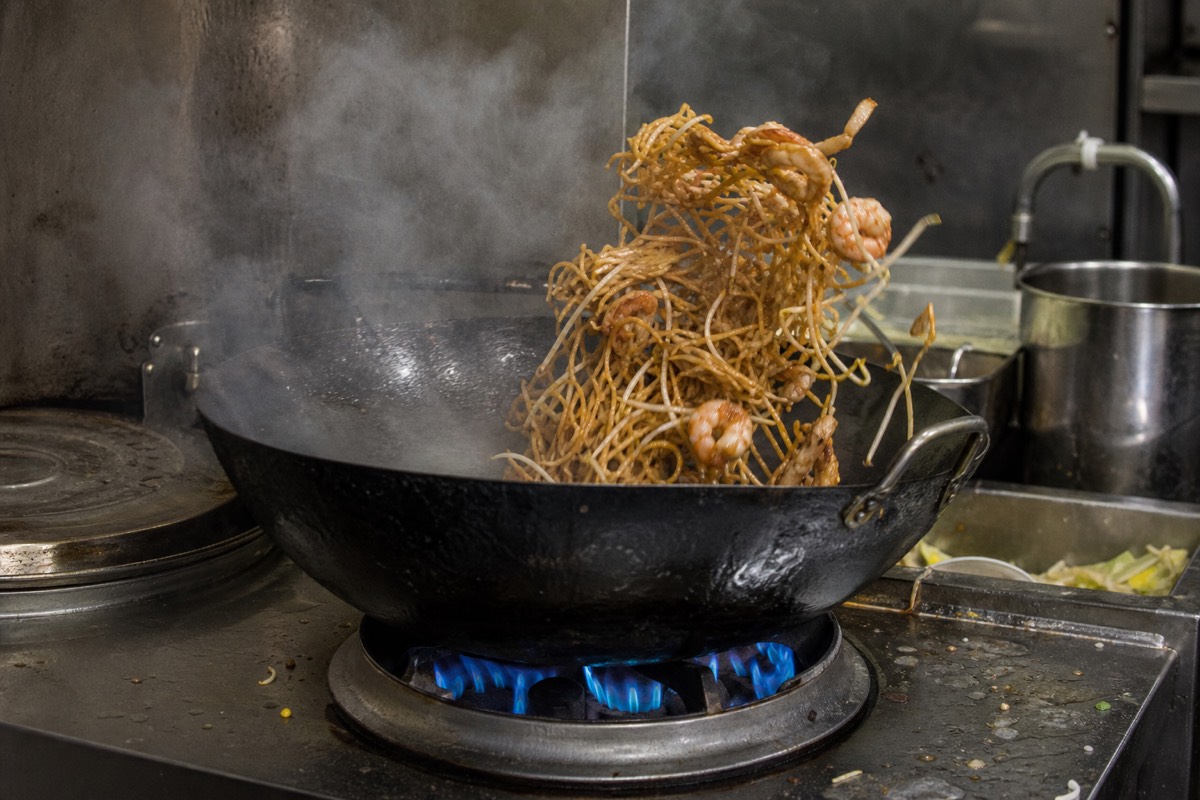
Some retellings place the earliest pushcart sales slightly differently by neighbourhood. The core facts, Cher Yam Tian as inventor, the mid-1950s date, and the 1962 Palm Beach Restaurant opening, are consistently reported across sources including Roots.gov.sg and the Michelin Guide.
How is chili crab actually made?
The dish is a whole crab, typically mud crab, stir-fried and finished in a thick sauce built from chilli, tomato, garlic, ginger, and beaten egg, usually eaten by cracking the shell by hand and mopping up the sauce with fried mantou (Chinese steamed buns). The sauce is the real signature: it's sweeter and less purely fiery than its name suggests, closer to a spiced tomato-chilli gravy than a hot sauce, with the egg stirred in near the end to give it body and a slightly silky texture. Most restaurants bring extra mantou specifically because the sauce is the part regulars fight over, not just the crab meat itself, and asking for a second basket is completely normal rather than something that marks you as a tourist. Expect to get messy: shell crackers, bibs, and a bowl for empty shells are standard at any restaurant that serves the dish seriously, and wet wipes or a hand-washing station near the table are common enough that their absence is worth noting before you order.
| Component | What it does |
|---|---|
| Whole crab (usually mud crab) | The centrepiece; cooked in the shell, cracked at the table |
| Chilli and tomato-based sauce | Sweet-savoury-spicy base, the part most diners rate the dish on |
| Egg | Beaten in near the end to thicken and enrich the sauce |
| Fried mantou | Steamed-then-fried buns served alongside, for mopping up sauce |
Should you order chili crab at a hawker stall or a restaurant?
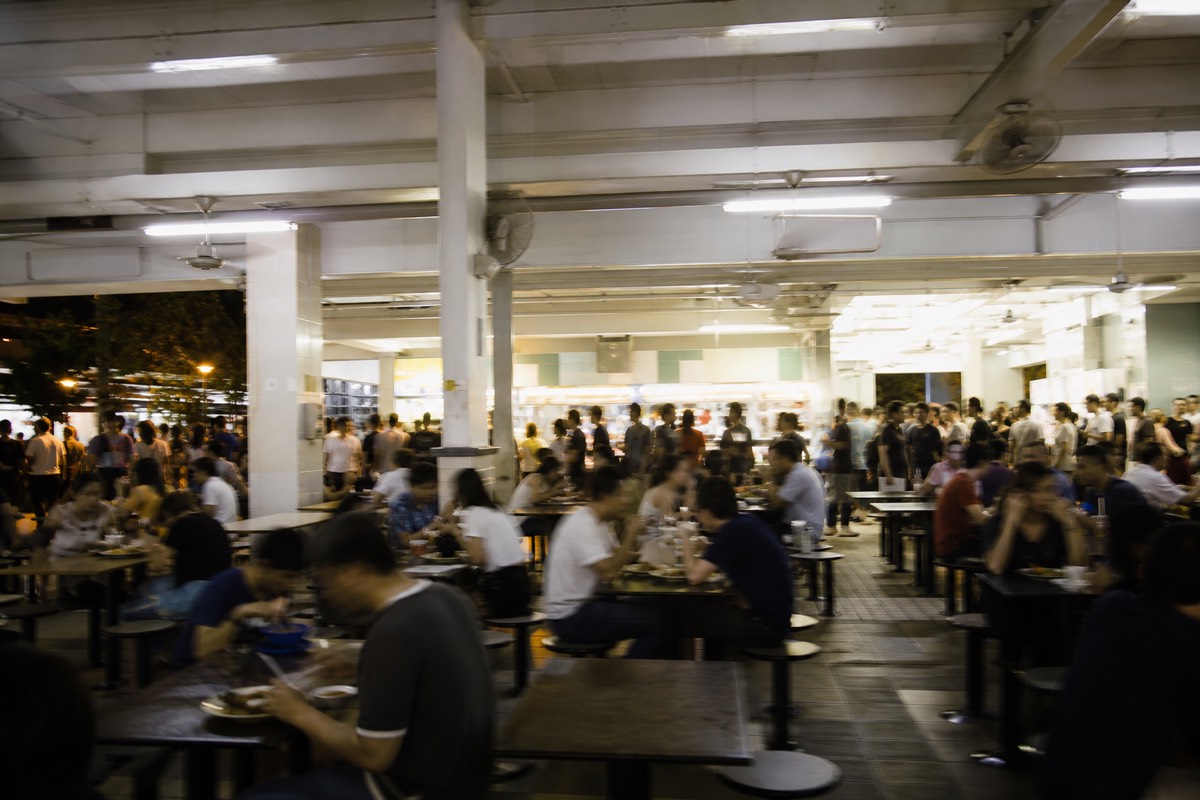
Honestly, the best-regarded chili crab in Singapore is generally served at dedicated seafood restaurants rather than at hawker centre stalls, though a smaller number of hawker centres and casual zi char (home-style Chinese) stalls do serve a respectable version. This is worth being upfront about because a lot of food content implies chili crab is standard hawker fare alongside chicken rice or laksa; it isn't, in the same way. It's a whole live-seafood dish that requires kitchen space, a wok big enough for a whole crab, and sourcing that most hawker stalls aren't set up for. Newton Food Centre, a well-known night-market-style hawker centre covered in our piece on Singapore's most famous hawker centre, and a handful of other hawker centres do have stalls known for chili crab, and it's genuinely good there, but the dish's flagship versions, the ones with the strongest reputations and the deepest sauce, are at sit-down restaurants like the Palm Beach and Roland lineage, along with well-known names clustered around Clarke Quay, Marina Bay, and the East Coast.
| Setting | What to expect |
|---|---|
| Hawker centres (e.g. Newton Food Centre) | Casual, cheaper, decent quality, fewer dedicated specialists |
| Zi char stalls | Home-style Chinese cooked-food stalls, sometimes serve a good version alongside other wok dishes |
| Dedicated seafood restaurants | Deepest sauce and reputation, higher price, formal service |
If your priority is trying the dish once without overthinking it, a guided evening food walk that includes seafood tastings will usually route you to a vetted stop rather than leaving you to gamble on an unfamiliar restaurant. See our broader roundup of the best hawker food in Singapore for first-timers for how chili crab fits alongside the rest of the local dish list, and our guide to the best hawker centres in Singapore if Newton or a similar centre is on your route.
What does chili crab actually cost, and why do the bills vary so much?
Chili crab is priced by weight, typically per 100 grams, not as a flat dish price, so the final bill depends entirely on which crab species you order and how much it weighs, meaning "how much is chili crab" doesn't have one honest answer. A mud crab dish at a mid-range seafood restaurant will generally run cheaper than premium species like Alaskan king crab, and prices at any given restaurant change over time, so treat any specific number here as a rough starting point to confirm on the day, not a quote. The single most important habit as a visitor: ask for the per-100g rate AND the crab's weight before it goes into the wok, in writing or clearly repeated back to you, not just a headline number on the menu that turns out to be per 100g rather than per crab.
This isn't a hypothetical warning. In 2023, a tourist at a Clarke Quay seafood restaurant received a bill of roughly S$938 for a chili crab dish after ordering what she understood to be a much smaller headline price, a widely reported case that led to a police report and a review by Singapore's tourism authorities. The restaurant maintained the per-100g pricing was disclosed on the menu and stated verbally, and the two sides disputed exactly what was communicated. Whichever side of that specific dispute you believe, the lesson holds: confirm total weight and total price before the crab is cooked, every time.
| What to ask before ordering | Why it matters |
|---|---|
| "What's the price per 100 grams?" | Menus often list a per-100g rate, not a per-crab price |
| "How much does this specific crab weigh?" | Weight is usually confirmed only after you've picked a live crab from the tank |
| "What's the estimated total, before you cook it?" | Lets you decline or choose a smaller crab before any cost is incurred |
Is chili crab worth splitting between people?
Yes: a single crab, especially a larger species, comfortably feeds two to four people when ordered alongside rice, vegetables, and the fried mantou, so splitting it across a group is standard practice rather than something restaurants discourage. Most tables order one or two crabs for a group and share, plus a couple of side dishes, rather than one crab per person. This also spreads the per-person cost of a dish that can otherwise look expensive on paper, since the crab itself is the priciest single item on most seafood restaurant menus by a wide margin, and ordering a single crab family-style tends to work out considerably more sensible than everyone ordering their own.
For a group of four, a fairly typical order looks like one mid-sized crab shared across the table, a plate of vegetables, a portion of rice or noodles, and a basket or two of fried mantou, rather than a crab each. Restaurants are used to this pattern and generally staff and portion accordingly, bringing extra small plates and shell tools without being asked. If your group is larger, ordering two smaller crabs rather than one very large one can sometimes work out more manageable both for sharing and for keeping the bill within a predictable range, since a single very large premium crab can push the total well past what a group expects for one dish.
How does chili crab compare to Singapore's other crab dishes?
Chili crab is one of several Singapore crab preparations, and the two most common alternatives, black pepper crab and butter crab, use completely different sauces and are worth knowing about before you commit to one dish at one restaurant. Black pepper crab is fried dry rather than sauced, coated in a heavy, aromatic layer of crushed black pepper, butter, and often a touch of soy sauce rather than the tomato-chilli gravy that defines chili crab, and it's commonly credited to Long Beach Seafood restaurant, which is reported to have popularised the dish in the mid-1960s. Butter crab, offered by some seafood specialists, leans into a rich, savoury butter-and-egg-yolk coating rather than tomato or pepper, a style long associated with restaurants such as Mellben Seafood, which has served Singapore-style crab dishes since the late 1970s. None of the three is objectively "the best," and plenty of local diners order two different preparations at once specifically to compare them across a single meal.

| Dish | Sauce style | Texture |
|---|---|---|
| Chili crab | Tomato, chilli, and egg | Wet, saucy, mopped up with mantou |
| Black pepper crab | Dry-fried with crushed pepper and butter | Dry, peppery, no sauce to mop |
| Butter crab | Butter and egg yolk coating | Rich, creamy, less spicy than chili crab |
Which restaurants carry the deepest chili crab history?
A handful of Singapore seafood restaurants trace their chili crab recipes directly back to the dish's origin story, and knowing the lineage helps separate a restaurant leaning on genuine heritage from one simply riding the dish's popularity. Roland Restaurant, run by Cher Yam Tian's son Roland Lim, markets itself explicitly on that direct family connection to the dish's 1950s invention. No Signboard Seafood is another long-running name frequently mentioned in local food coverage as having grown out of hawker stall roots into a fuller restaurant operation while keeping its chili crab as the centrepiece of the menu. These aren't the only credible options, plenty of newer and lesser-known seafood restaurants turn out excellent versions, but a restaurant that can point to a documented history tends to be a safer bet for a first-timer trying to avoid both a bad dish and a bad bill.
| Restaurant | Why it's notable |
|---|---|
| Roland Restaurant | Run by the inventor's son, direct recipe lineage to the 1950s original |
| Palm Beach Seafood lineage | The original restaurant that introduced the dish more widely from 1962 |
| No Signboard Seafood | Grew from hawker stall roots into a full restaurant, chili crab as centrepiece |
None of this is a guarantee of the best possible bowl on any given night, restaurant quality shifts over time the same as anywhere else, and plenty of Singaporeans have their own personal favourite that isn't on any "iconic" list. Treat lineage as one useful signal among several, not a substitute for checking recent reviews before you book.
What crab species show up on chili crab menus, and how does pricing typically compare between them?
Mud crab is the traditional and most commonly used species for Singapore chili crab, but many restaurants also offer larger or more premium species such as Sri Lankan crab or Alaskan king crab at a noticeably higher per-100g rate, and knowing the difference before you order avoids an unpleasant pricing surprise. Mud crab tends to sit at the lower end of the price spectrum among the options typically offered and is the species most associated with the dish's original recipe. Larger species generally cost more per 100g and also weigh more per crab, which compounds quickly: a bigger, pricier-per-gram crab can end up costing several times more than a modest mud crab order, which is exactly the gap that catches people off guard if they don't ask about weight and rate together before ordering.
| Crab type | General price positioning | Notes |
|---|---|---|
| Mud crab | Standard, traditional choice | The species used in the dish's original 1950s recipe |
| Sri Lankan crab | Mid-to-higher | Larger than mud crab, popular upgrade option |
| Alaskan king crab | Premium, highest per-100g rate | Often pushed as an upsell, confirm price and weight carefully |
Are there tourist traps to watch for with chili crab specifically?
The main risk isn't a fake or bad dish, it's an unclear price disclosure, so the practical defence is asking for the total cost in writing or having it repeated back clearly before the crab is cooked, at any restaurant, local or tourist-facing. Restaurants clustered in the most heavily touristed strips, particularly around Clarke Quay, see a disproportionate number of these pricing disputes reported in local press, though that doesn't mean every restaurant in those areas is a problem, and well-established names in the same areas have decades of reputation to protect. A second, lower-stakes trap: some venues push the most expensive crab species, such as Alaskan king crab, as an "upgrade" without clearly separating that price from the standard mud crab option, so ask specifically which species you're being quoted before agreeing, and don't assume a recommendation from a waiter is automatically the best value choice for your budget.
How was chili crab actually cooked at home before it became a restaurant dish?
The dish started as home cooking born out of ingredient improvisation rather than a planned restaurant creation, and that origin story is part of why it reads as an authentic piece of Singapore food history rather than a marketing invention. The National Heritage Board's account describes Cher Yam Tian working with whatever her husband brought home from fishing trips, stir-frying the crabs with bottled tomato sauce initially, and switching to chilli sauce as the recipe developed, a fairly ordinary kitchen substitution that happened to produce something distinctive enough to become commercially viable. That home-kitchen origin also explains why the dish scaled so naturally into a pushcart business and then a full restaurant: the core technique, wok-frying a whole crab in a thickened sauce, translates directly from a home stove to a commercial kitchen without needing much reinvention, unlike more technically demanding restaurant dishes that don't survive that jump as cleanly.
How does chili crab fit into a wider Singapore food itinerary?
Chili crab pairs naturally with an evening hawker or night-market food tour rather than standing alone, since it's typically a sit-down dinner course rather than a quick tasting stop, and several guided food walks route a seafood course into a broader multi-tasting evening. If you're planning a first visit and trying to figure out what else belongs on your must-eat list alongside chili crab, our cheat sheet on what to eat in Singapore as a first-time visitor lays out the wider dish list, and our hawker centre etiquette guide is useful background even for a restaurant meal, since many of the same norms around sharing tables, ordering, and tipping culture carry over. If you're weighing whether to book a guided evening food tour at all rather than seeking out a seafood restaurant independently, our honest look at whether a Singapore food tour is worth it covers what a typical tastings-based tour includes and doesn't, which is relevant since chili crab itself isn't always part of a hawker-focused tour lineup. Because chili crab is priced separately from most hawker dishes and often eaten at a different type of venue entirely, it's worth budgeting it as its own line item on a Singapore food trip rather than assuming it fits inside a typical hawker centre budget. A practical way to structure a trip that includes both: treat evening hawker or street food tastings as one activity, ideally with a guide who knows current stall reputations, and book a chili crab dinner as a separate, deliberate meal on a different night rather than trying to squeeze both into one evening. Doing both back to back in a single sitting tends to leave less room to actually enjoy either, given how filling a full crab meal is on its own.
What should first-timers order alongside chili crab?
Beyond the fried mantou for mopping sauce, most tables round out a chili crab dinner with a green vegetable dish, either kangkong (water spinach) or a similar leafy green stir-fried with garlic or sambal, and either plain rice or the mantou as the starch, rather than ordering a large separate main course. Because chili crab itself is rich and the portion of shell-in crab meat can take a while to work through, a lighter vegetable side balances the meal better than a second heavy dish would. Some seafood restaurants also offer a version of the sauce served over noodles or as a base for a second smaller seafood item, such as prawns, which is a reasonable way to stretch the sauce further if there's extra left in the wok after the crab itself is finished. None of this is required, plenty of diners are perfectly happy with just the crab, rice, and mantou, but it's useful to know the sauce is popular enough that restaurants have built smaller side dishes specifically to use more of it.
Drinks-wise, most seafood restaurants serving chili crab lean toward the same lineup found across Singapore's Chinese seafood dining scene: chilled beer, fresh sugarcane or lime juice, and Chinese tea are all common, and none of them are considered an unusual pairing with a dish this rich. If you're travelling with kids or anyone unused to shell-in seafood, it's worth asking the restaurant for a smaller portion size or a pre-cracked option; not every restaurant offers it, but enough do that it's a reasonable question to ask up front rather than assume the whole table has to tackle full-sized shells on their own.