What to Eat in Singapore as a Tourist (First-Timer's Cheat Sheet)
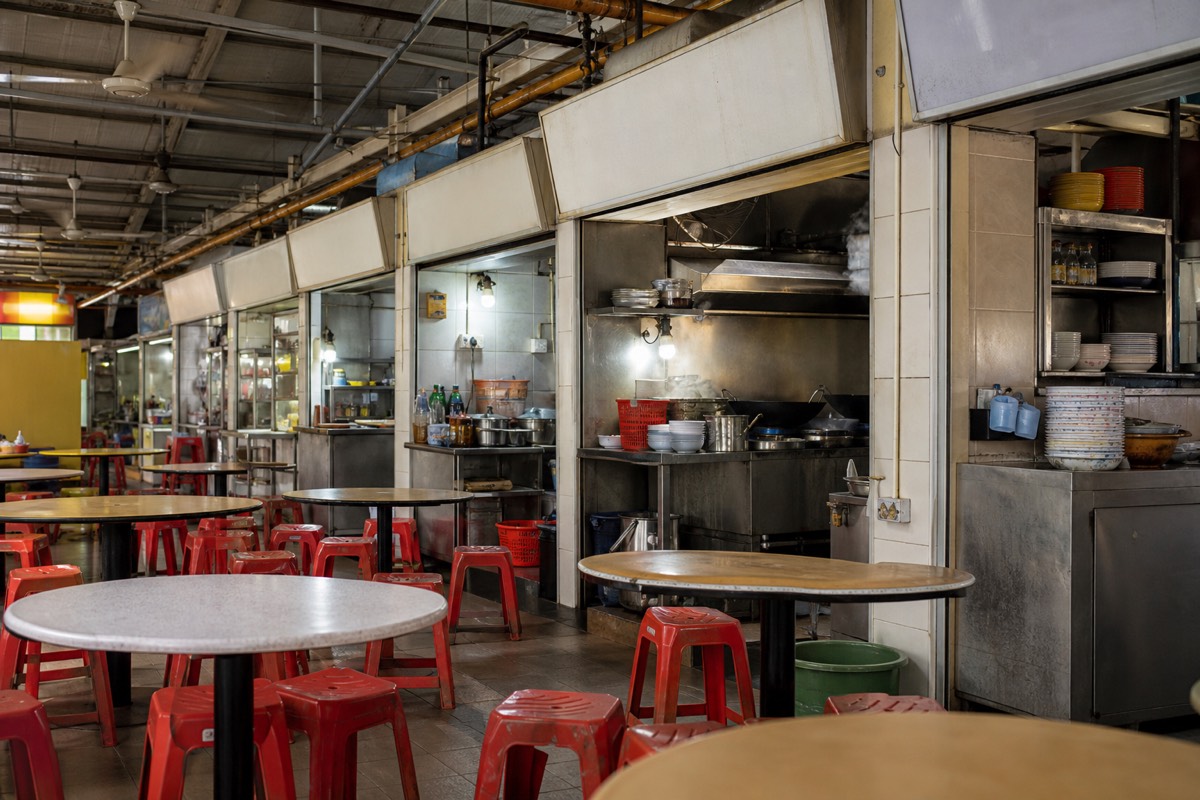
Six dishes cover most of what a first-time visitor needs to try in Singapore, and every one of them is findable inside a single hawker centre. Here is the shortlist, what each dish actually is, and what it costs.
Singapore's food scene is large enough to overwhelm a short visit, so this is deliberately narrow: six dishes, what they are, and roughly what they cost, aimed at someone with a few days in the city and a limited number of meals to spend. All six show up on nearly every serious list of Singaporean food for a reason, they represent the Chinese, Peranakan and Malay traditions that shaped hawker cooking in the first place.
What Should a First-Time Tourist Eat in Singapore?
A first-time visitor should prioritize six dishes: Hainanese chicken rice, laksa, chili crab, char kway teow, satay and kaya toast, all findable at hawker centres for a few dollars each except chili crab, which is priced by weight at a seafood restaurant. Between them these six dishes span Singapore's Chinese, Peranakan and Malay culinary influences, and none require advance planning to find. Order two or three of the hawker-priced ones in a single sitting as small portions rather than committing to one full plate, and you can realistically work through most of this list in a day or two without repeating a stall.
| Dish | What it is | Roughly what it costs |
|---|---|---|
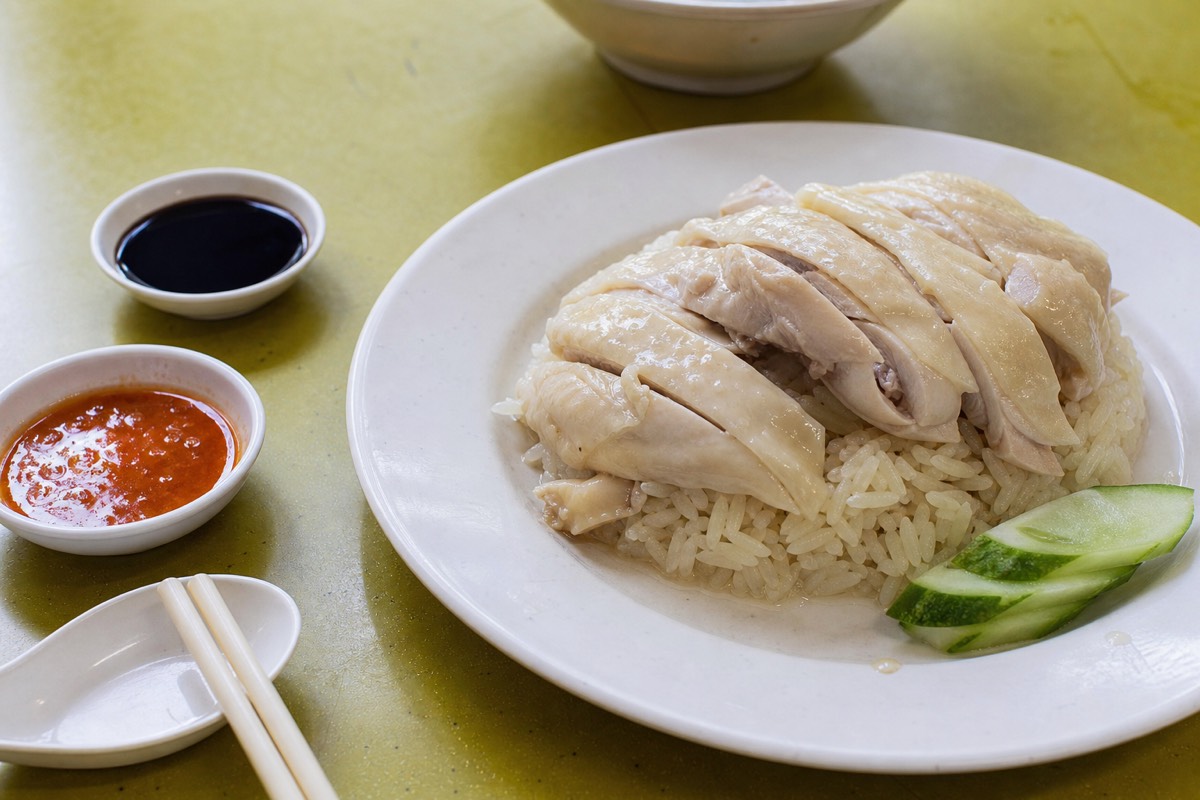
| Hainanese chicken rice | Poached or roasted chicken over rice cooked in chicken stock, served with chili sauce and ginger paste, traditionally a lunch dish | Around $4 to $6 at a hawker stall |
| Laksa | Rice noodles in a spicy coconut and dried shrimp broth, most famously the Katong style with cockles | Around $5 to $7 |
| Chili crab | Whole crab in a sweet, tomato-and-egg-thickened chili sauce, eaten with fried mantou to mop up the sauce, usually a dinner order | Around $40 to $80 or more per crab by weight, usually shared between two or three people at a restaurant |
| Char kway teow | Flat rice noodles wok-fried over high heat with dark soy sauce, egg, cockles and Chinese sausage | Around $4 to $6 |
| Satay | Skewered grilled meat, usually chicken, beef or mutton, served with peanut sauce, cucumber and rice cakes, mostly an evening order | Roughly $0.60 to $1 per stick, most people order six to ten |
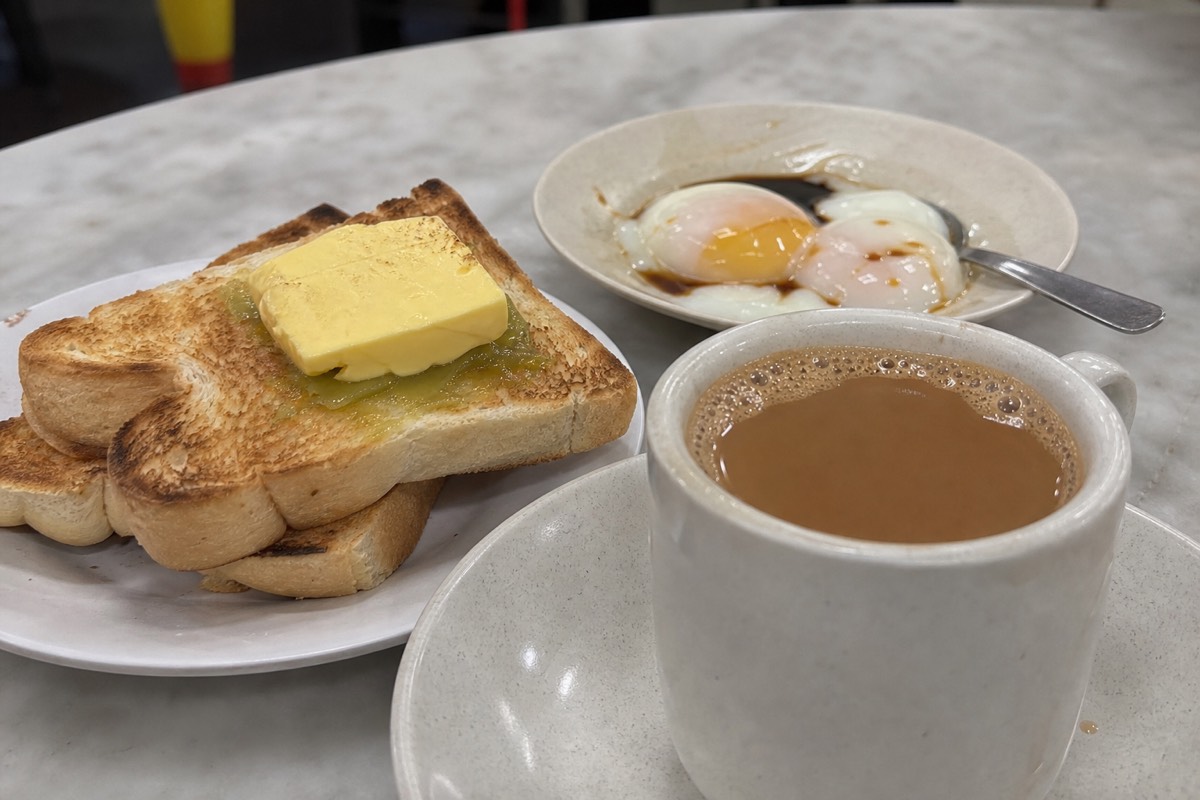
| Kaya toast | Toasted bread with coconut jam and butter, served alongside soft-boiled eggs and kopi, almost always a breakfast order | Around $2 to $4 for the full set |
How to Order at a Hawker Centre Without Overpaying
Hawker centres work on a pay-as-you-order basis at each individual stall rather than table service, so you walk up, order, pay, and carry your own tray to a table. Cash still works everywhere and is the safest default, though most stalls in central hawker centres now also accept PayNow or a card. Prices posted on the stall's signboard are the real price, there is no tourist markup and no tipping expected. One local habit worth knowing before you sit down: reserving a table with a packet of tissues, known as "choping," is a real and generally respected system, not something to ignore because the table looks empty. The full unwritten rulebook is worth a quick read in our hawker centre etiquette guide before your first visit.
Is Hawker Food Safe for Tourists?
Yes: every licensed hawker stall in Singapore is inspected and required to display a public food safety grade, currently transitioning to a new A, B or C SAFE framework that Singapore's Food Agency began rolling out in January 2026 to replace the older letter-grade system. The grade card is posted at the front of the stall, visible before you order, which makes it easy to make an informed choice even without knowing anything about the specific stall in advance. Tourists sometimes worry that street-level food means lower standards, but Singapore's hawker centres are among the most regulated open-air food environments in the world, a big part of why the culture earned its 2026 SAFE framework upgrade in the first place rather than being left as-is.
Dishes Worth Trying if You Have More Time
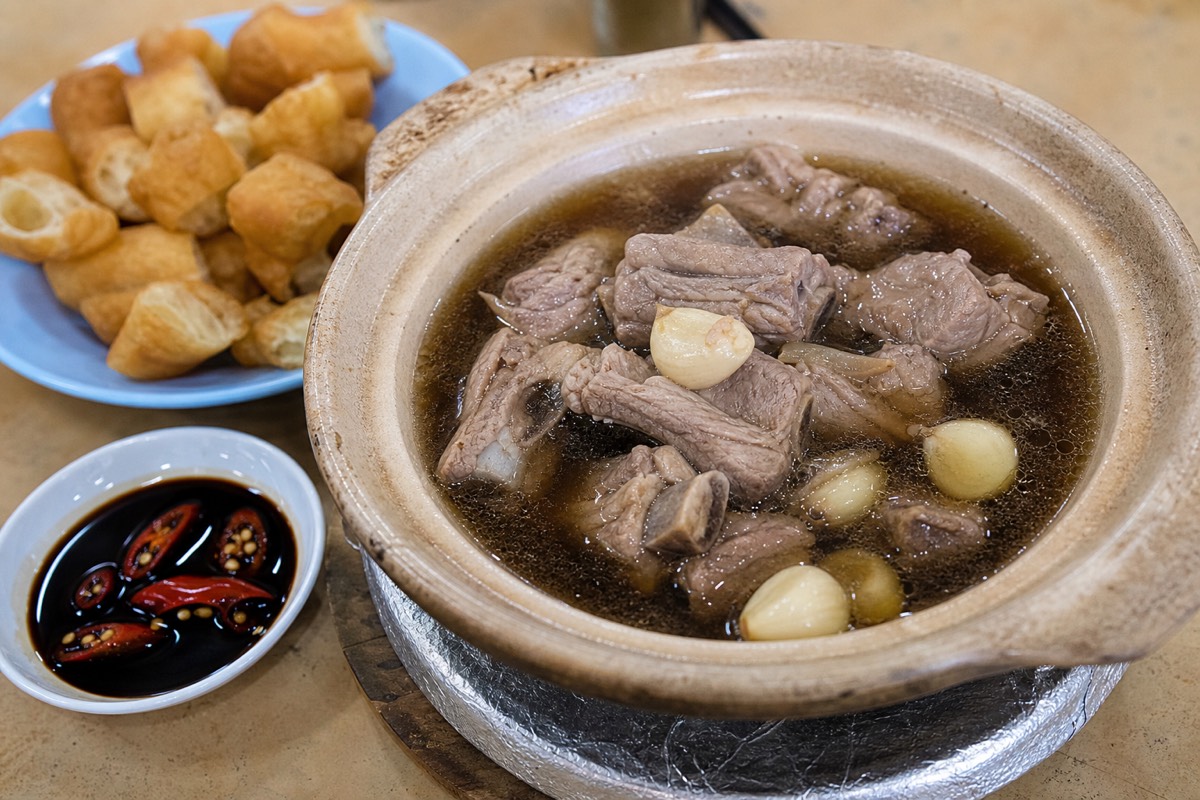
If the six above are the floor, a slightly longer stay opens up a second tier worth chasing. Bak kut teh, a peppery or herbal pork rib soup usually eaten for breakfast, is common enough to deserve its own stop if you only have room for one extra bowl. Roti prata, a flaky griddled flatbread served with curry, and Hokkien mee, noodles fried in a rich prawn stock, round out a longer list without straying far from any hawker centre you are already standing in. None of these three require a special trip, they usually sit a few stalls down from whichever of the original six you came for.
Where to Find Most of These in One Trip
You do not need to hunt across the island for these six dishes. Large hawker centres like Maxwell Food Centre or the newly renovated Chinatown Complex Food Centre stock most of this list under one roof, and our broader best hawker centres in Singapore roundup compares the main options if you want to plan which one fits your itinerary. Chicken rice in particular has enough history behind it to be worth reading about beyond the plate, which our piece on what makes Hainanese chicken rice special covers in more depth, as does our separate look at what actually makes a good bowl of laksa. If you would rather have someone else do the ordering on your first day, a small-group hawker tasting walk handles stall choice for you, and our honest breakdown of whether a Singapore food tour is worth it lays out when that extra cost makes sense.